Author: Hazel Norman

Limited Legal Cannabis Sales Expected To Launch In The Netherlands This December

A long-awaited cannabis public policy experiment is reportedly set to launch on December 15th in two different municipalities in the Netherlands. Limited cannabis sales will be permitted at certain coffee shops in both Tilburg and Breda this winter according to the nation’s cabinet.

Health Minister Kuipers previously announced back in February that Tilburg and Breda would likely be the first of what will eventually be ten municipalities to participate in what is essentially an adult-use cannabis commerce pilot program, similar to what is already underway at the local level in Switzerland.

Germany is also expected to incorporate regional pilot programs into its legalization model. It’s a concept that is gaining in popularity in many European countries that are ramping up cannabis policy modernization efforts.

In theory, permitting local adult-use sales will provide government policymakers and regulators data to examine in order to be better suited to craft eventual national cannabis policies and industry rules and regulations. The concept is in line with continental and international agreements.

The launch of pilot programs in the Netherlands comes after a series of delays, and it wasn’t until the recent announcement that the nation’s government appeared to have backed off of its hardline stance that pilots could not begin until there were at least three cultivators.

Currently, only two cultivators are ready to supply the coffee shops in Tilburg and Breda, yet an exception was made to prevent further delays. Two more licensed cultivators are expected to start providing cannabis to the nation’s pilot program in February 2024. If everything goes as expected with the pilots in Tilburg and Breda, at least eight more municipalities will also launch pilot programs.

Additionally, at least one district in Amsterdam is expected to also become part of the cannabis public policy experiment which will permit coffee shop owners to sell a limited amount of cannabis to adults, although during the ‘start-up phase’ coffee shops are also allowed to sell ‘tolerated products’ from their unregulated suppliers.

Officials in the Netherlands have the authority to shut down the cannabis public policy experiment at any time if ‘abuses’ are found, which is a subjective measure. However, the cultivation facilities and outlets will be watched closely and local officials are optimistic that the experiment will succeed.

“With this start-up phase in Brabant we can gain first experiences, detect teething problems and gather the knowledge to perfect the experiment. In this way, we can make a flying start with the large-scale experiment.” stated Breda Mayor Dr. Paul Depla back in February (translated from Dutch to English).

Cannabis History Is Made In Slovenia At International Event

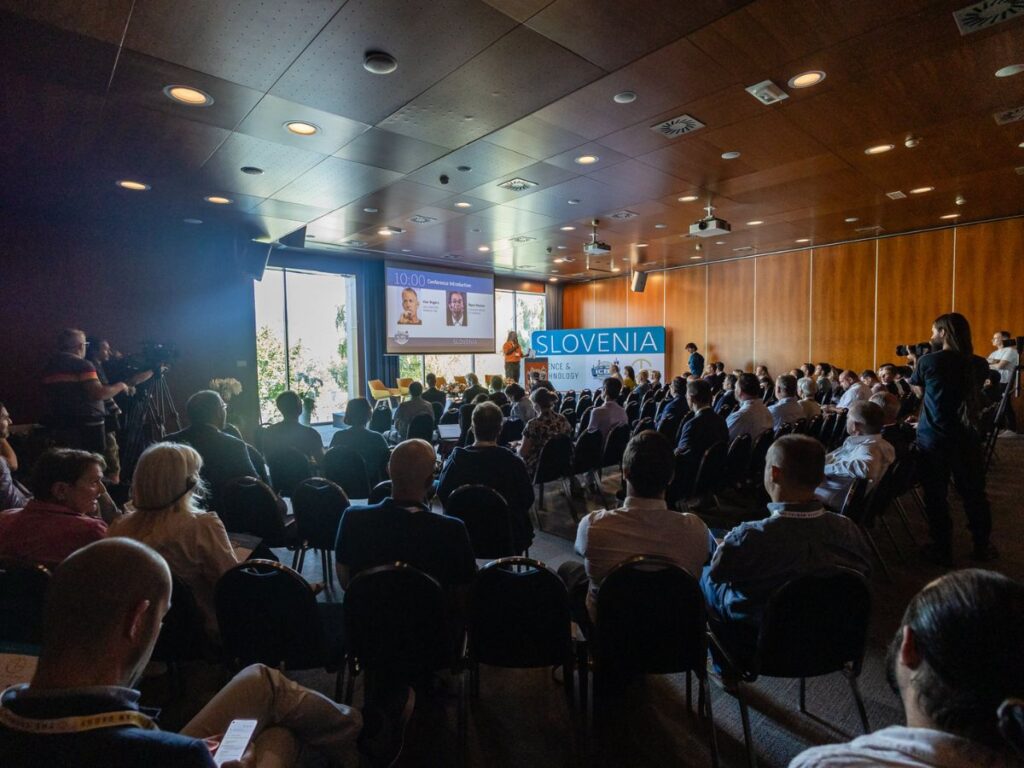
The International Cannabis Business Conference was held in Bled, Slovenia last week on September 7th and 8th, with a VIP reception held the night before the event. The two-day event was dedicated to emerging international cannabis science and technology.

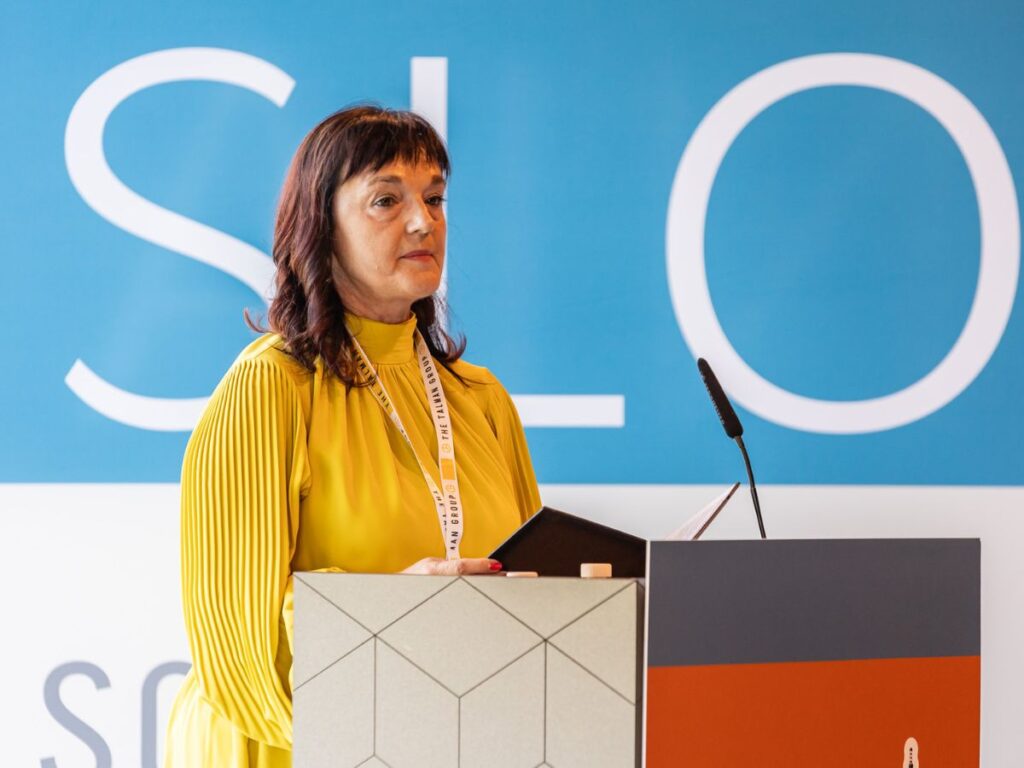
Among the speakers at the conference, which is part of a series of cannabis events held around the world, was Dr. Metka Paragi, the current Secretary for Health of the Slovenian Prime Minister’s cabinet. Dr. Paragi, a leading international microbiologist, welcomed attendees of the first-ever International Cannabis Business Conference held in Slovenia.

She provided a brief overview of current usage rates in Slovenia, as well as discussed the level of support for policy modernization efforts in the region. Dr. Paragi also provided an update on the current state of cannabis policy and research in Slovenia. It marked the first-ever presentation at an international cannabis conference by a current officeholder at that level of government.

Dr. Metka Paragi International Cannabis Business Conference Bled Slovenia

In addition to Dr. Paragi, presentations at the two-day science and technology conference were made by:

  • Lumír Hanuš – Chief Scientist, Lumir Lab, Asana Bio Group LTD
  • Prof Dr. Tamara Lah Turmšek – Biochemist, Researcher, National Institute of Biology, Ljubljana
  • Peter Homberg – Partner, Dentons, Head of European Cannabis Group
  • Ngaio Bealum – Conference Master of Ceremonies
  • Alex Rogers – CEO & Executive Producer, International Cannabis Business Conference
  • Božidar Radišič – Project Manager and Founder, Research Nature Institute

International Cannabis Business Conference Bled Slovenia

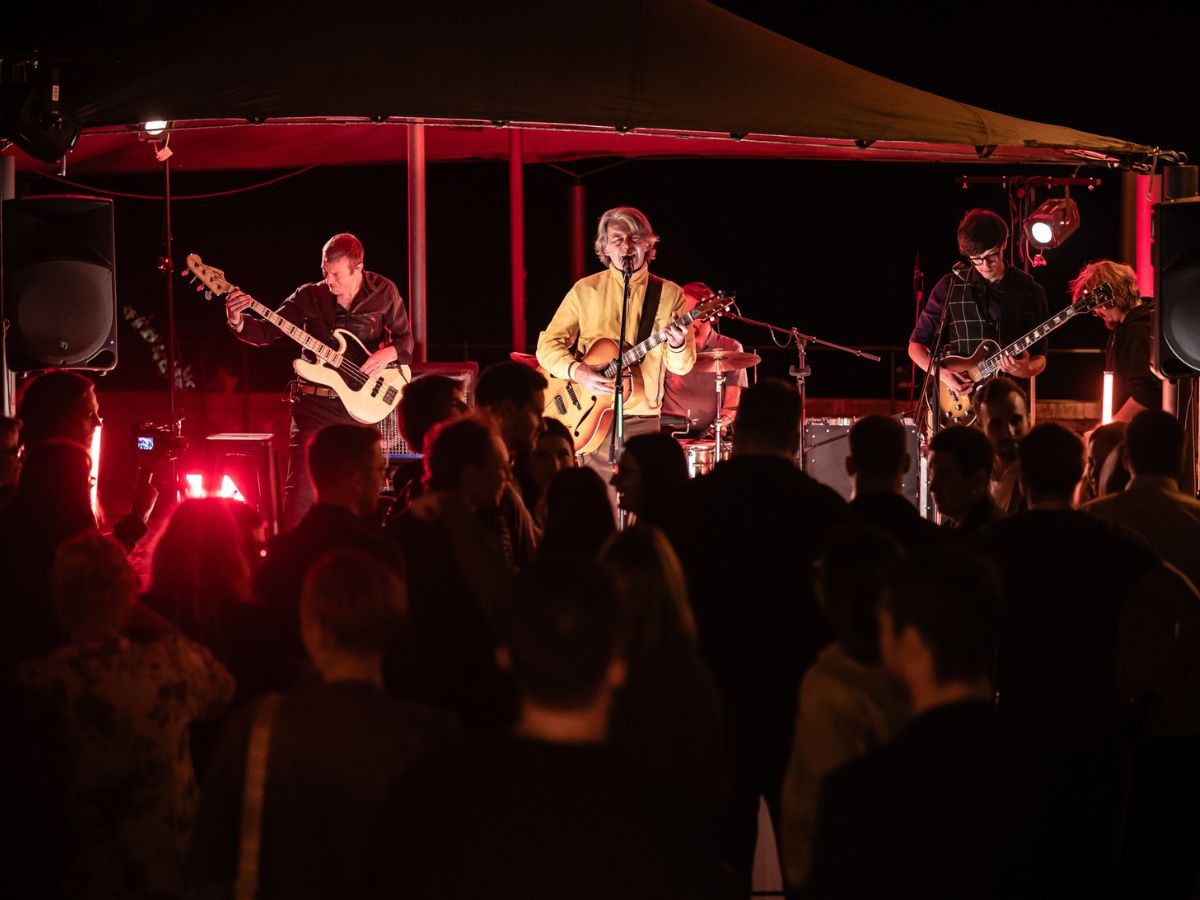
At the conclusion of the event, the International Cannabis Business Conference hosted one of its infamous after-parties, which was headlined by none other than Slovenia’s most famous and loved artist, Magnifico.

Magnifico International Cannabis Business Conference Slovenia 2023

Below are links to media coverage of the event:

Delo

SI21

Dnevnik

RTV Slovenia

24UR

STAznanost

Jutro na Planetu

Make sure to check out the upcoming event at the University of Ljubljana titled ‘Hemp and its Active Ingredients in Healthcare III’ on October 11th and 18th, 2023. The event is co-organized by the Research Nature Institute and is the third education seminary of a series involving doctors and nurses from the faculty at the University of Ljubljana.

To find out more, please visit: https://www.zf.uni-lj.si/si/arhiv-obvestil-cvu/1295-konoplja-in-njene-ucinkovine-v-zdravstvu-iii

Himachal Pradesh Inches Closer To Permitting Cannabis Cultivation

Himachal Pradesh is the northernmost state of India. Host to the Dalai Lama, it is known for its scenic towns and resorts and is the second largest producer of apples in India only behind Kashmir. Soon, farmers will likely get the chance to cultivate a new crop – cannabis hemp.

India’s Narcotic Drugs and Psychotropic Substances Act, 1985 prohibits cannabis. However, individual states in India have set their own cannabis policies in some cases, and lawmakers in Himachal Pradesh are in the process of legalizing hemp production. Hemp cannabis, from a legal standpoint, is distinguished from what is considered to be non-hemp cannabis by a THC-content threshold.

The THC threshold for what constitutes hemp and what does not varies around the world, typically within the range of .2-1%. Comparatively, THC in cannabis products widely sold in countries like Uruguay, Canada, and the United States ranges from 15-30%+.

Still, what is being pursued in India is still significant for local farmers who are looking to cultivate a new crop. Per excerpts from The Hindu:

A committee comprising lawmakers that explored the possibility of legal cultivation of cannabis has recently recommended cultivation of ‘non-narcotic use of cannabis for medicinal, industrial, and scientific use’.

An approval from the State Cabinet is awaited after which a policy is expected to be framed soon by the State government on cannabis cultivation keeping in view the provisions of NDPS Act, 1985, and NDPS Rules, 1989.

Unfortunately, the previously cited article dedicates a considerable amount of time to discussing unfounded ‘concerns’ about the reform being pursued. What lawmakers are pursuing is the legalization of low-THC, high-CBD industrial hemp, sometimes referred to as ‘floral hemp’ or ‘cannabis light.’

Numerous peer-reviewed studies on our website demonstrate that regulated CBD products are safe, and a study we published earlier this month found that inhaled floral hemp doesn’t negatively impact driving performance. It’s a largely benign substance that people should not be concerned about and that the farmers of Himachal Pradesh should absolutely be permitted to cultivate.

Zurich Launches Cannabis Pilot Trial

With a population of roughly 400,000 people, Zurich is Switzerland’s largest city. Zurich also serves as the capital of the canton of Zurich, and as of this month, is now home to Switzerland’s largest regional cannabis commerce pilot trial.

Switzerland approved adult-use cannabis pilot trials in recent years, although the concept is still largely in its infancy. Back in February, Switzerland’s first pilot trial launched in Basel. The Basel pilot involves a total of 374 people.

By comparison, the pilot in Zurich will involve roughly 2,100 people. Participants will be able to sign up with one of the 21 outlets that are part of the recently launched Zurich pilot.

Regional adult-use cannabis commerce pilot projects are, in theory, designed to give national governments the ability to permit commerce on a small scale in order to gain insight and data to be better suited to implement laws and regulations at the national level. Switzerland’s pilots are slated to last for five years, and similar pilots are being considered in other European nations.

One of those nations is obviously Germany, which is pursuing a multi-phased legalization plan. The first phase involves legalizing personal cultivation, possession, and consumption along with permitting noncommercial cannabis clubs. The second phase would involve the launch of regional pilot programs.

While it will be a while before we know for sure, Germany’s pilot program is expected to be much larger and more widespread compared to what is going on right now in Switzerland. Still, Switzerland beat many European nations to the punch so to speak, and for participants of the pilots in Basel and Zurich, cannabis is essentially legal.

The speed at which cannabis laws are being modernized in Switzerland is understandably frustrating for advocates. With that being said, cannabis politics is often a game of incremental gains, and successful pilot trials will do wonders to build momentum for national reform. It’s important to keep things in context.

German Chancellor Olaf Scholz Supports Cannabis Reform Despite Not Being A Consumer

People do not need to be cannabis consumers in order to recognize the harms of cannabis prohibition and the benefits of cannabis policy modernization. An example of that can be found in recent comments made by German Chancellor Olaf Scholz. Chancellor Scholz made it clear that he has “never” consumed cannabis, “not even a single puff.”

Yet, despite refraining from consuming cannabis, Chancellor Scholz expressed his direct support for Germany’s current cannabis policy modernization effort, describing it as “doing exactly the right thing.” Chancellor Scholz’s comments were made during an interview with the German TV stations Sat.1 and ProSieben.

Chancellor Scholz’s position on cannabis reform highlights that modernizing cannabis policies does not just benefit cannabis consumers and entrepreneurs. Cannabis prohibition is a failed public policy that wastes enormous amounts of limited public resources; resources that would be better allocated to many other things such as schools and infrastructure.

The recent comments made by Chancellor Scholz are not unique. At least one other policymaker, United States Congressman Earl Blumenauer, proudly supports cannabis reform despite having never consumed cannabis during his lifetime. Cannabis legalization is sensible public policy, and it’s refreshing to hear sitting lawmakers stating as much.

German Chancellor Olaf Scholz’s comments come in the midst of a historic push in Germany to update the nation’s cannabis policies. Medical cannabis is already permitted in Germany, however, many suffering patients still do not have safe access for various reasons.

The German plan in its current form involves essentially three phases for legalization. The first, which was recently approved by Germany’s federal cabinet as previously mentioned, would legalize personal cultivation, possession, and use along with permitting noncommercial cannabis clubs.

Components of the first phase, which were largely driven by restrictive conversations at the European Union level, have received pushback from advocates inside and outside of Germany. Members of the Bundestag have already expressed a strong desire to make changes to the phase one plan, and only time will tell if they are successful in doing so.

Big Opportunities In The Cannabis Genetics Sector

Cannabis breeding is an essential part of the industry, as it allows for the development of new strains and products that can be tailored to meet the needs of different consumers and patients. As the cannabis market continues to grow and evolve, so does the potential for genetics to play an even greater role in the industry.

In the embedded International Cannabis Business Conference Berlin 2023 panel video below, experts discuss the latest trends in cannabis genetics and explore the future of breeding, from identifying new traits to using CRISPR technology. Panelists also delve into the question of how human DNA and cannabis DNA might be connected, and what implications this could have for the future of the industry. Panelists include:

  • Marcus Richardson (moderator) – Hashish aficionado and creator of Bubblebags
  • Dave Auger – Commissioner, Big League Genetics
  • Manny Dasilva – COO, Green Boyz Craft Israel
  • Jameson Welbourn – Founder and Managing Director, The Banyan Tree
  • Steven Tan – Principal Consultant, 4Plant

We look forward to seeing you in Berlin in 2024, as well as at our upcoming science and technology event in Slovenia this September!

Cannabis Policy Reform History Made In Australia

Australian cannabis reform efforts reached a historic milestone this week with Greens Senator David Shoebridge introducing the Legalising Cannabis Bill 2023. The measure would permit the “adult recreational use of cannabis across the country.”

Senator Shoebridge’s legalization measure marks the first time that a bill has ever been introduced to Australia’s Federal Parliament that would, if approved by both chambers, legalize adult-use home cultivation and commerce across the nation.

“With just a sprinkling of political courage and collaboration mixed with a truckload of common sense we can make this law and end the war on cannabis.” Greens Senator and Justice Spokesperson Senator Shoebridge stated about the measure in a press release.

“It’s time to stop pretending that consumption of this plant, consumed each year by literally millions of Australians, should still be seen as a crime. Everyone knows that it is not a matter of if we legalise cannabis in Australia, it’s a matter of when, and today we’re taking a huge step forward. The Greens are here to get this done, and we’ll be working hard to get the numbers to make this law.” Senator Shoebridge also stated.

“It’s time to seize the many opportunities that legalisation poses. This includes the $28 billion in public revenue that legalisation can bring in in the first 9 years of operation. This is the chance for tens of thousands of quality green jobs, new small businesses, enriched regional economies and the boon for tourism that will come with establishing a totally new legal industry.” Senator Shoebridge added.

“It is the opportunity to regulate the quality, strength and safety of a product that millions of Australians are already using, and it’s the chance to radically reduce harm, by stopping 80,000 Australians a year from being caught up in the criminal justice system for possession of cannabis. Using the collective wisdom of thousands of contributors who shared their knowledge and experience with us, we are introducing a solidly founded bill that maps out the way to legalise cannabis across Australia.” Senator Shoebridge concluded.

The formal introduction of the measure comes on the heels of the Greens announcing “unprecedented engagement” for a public survey the party conducted focused on the legalization measure.

“A total of 8,916 individual responses on our survey were received and we received 38 detailed submissions in response to our consultation paper. This is in addition to thousands of calls, social media messages and real life conversations.” the Greens stated in a press release about the survey.

“The results show an extremely strong level of support for legalising cannabis with a single national cannabis market that allows for home grow and prioritises co-ops and small business involvement. Respondents told us they don’t want an overly corporatised scheme and how it is important to ensure any tax rate doesn’t force up prices and drive people back into the illicit market.” the press release also stated.

Below are “improvements” made to the bill during the public consultation process:

  • Quality and labelling to set out labelling requirements for cannabis and cannabis products including safety and dosage information, strength and chemical composition
  • Penalties – we will amend the bill to provide a clear requirement for serious or repeated breaches of licence conditions to result in serious consequences for the licence holder – not just employees.
  • Home grow and production – we will amend the bill to explicitly allow people to make products like brownies or gummies at home for personal use, we will also explicitly require that grow at home cannabis not be accessible to the public.
  • Young people – we’ll add a new requirement to store cannabis where it’s not readily available to minors and give the regulator the capacity to impose other safe storage if needed like child safe containers for edibles for example.
  • Advertising – we will make clear that the ban on advertising won’t stop cafes and dispensaries from point of sale advertising or having an authorised online presence.

“Using the collective wisdom of almost ten thousand respondents we know the Greens will be tabling the most popular and effective bill possible to legalise cannabis for the whole country. We have made improvements around labelling, storage, manufacture, advertising, penalties and more as a result of this consultation process.” Greens Senator David Shoebridge stated about the consultation.

Regulatory Changes In Israel Will Expand Patients’ Medical Cannabis Access

Israel is home to arguably the best cannabis research community on earth, serving as the longtime base for legendary cannabis researcher (and International Cannabis Business Conference alumni) Raphael Mechoulam.

Mechoulam first isolated tetrahydrocannabinol (THC) while conducting his research in Israel in the mid-1960s, and the nation’s scientists built on that research ever since. Unfortunately, Israel’s medical cannabis policies have not always kept up with the nation’s research.

Thankfully, new regulatory changes should help improve the level of safe access for suffering patients in Israel. Below is more information about it via a news release from NORML:

Jerusalem, Israel: Regulators are further easing restrictions on patients’ access to medical cannabis products.

Regulatory reforms approved by the Ministry of Health will allow physicians to prescribe cannabis to patients as a first-line treatment rather than as an option of last resort. (Under current law, doctors must attest that their patients have been unresponsive to other conventional treatments, including opioids, prior to granting them access to medical cannabis products.)

About 100,000 Israelis are currently authorized to use medical cannabis.

Another regulatory change eases legal restrictions on patients’ access to hemp-derived CBD products.

Regulators are also seeking to further facilitate clinical trial research involving cannabis products.

The regulatory changes are anticipated to go into effect this December.

One Global Cannabis Industry: Who Will Be The Winners And Losers?

The global cannabis industry is still emerging. The commodity cannabis is becoming more and more relevant for conventional industries, from food and health care via fashion to luxury niche segments. With adult-use reform coming across several nations, the opportunity for other industries in those countries has been unlocked. The biggest question today is: where are global cannabis sectors going and where will the best investments be? Panelists recently discussed this at the International Cannabis Business Conference’s Global Investment Forum in Berlin, as seen in the embedded video below. Panelists include:

  • David Traylor – Senior Managing Director, Golden Eagle Partners
  • Oliver Lamb – Co-Founder and Investment Manager, Óskare Capital
  • Trenton Birch – Co-Founder and CEO, Cheeba Africa
  • Bret Worley – CEO and President, MC Global Holdings

This panel also includes a guest appearance by legendary entertainer Jim Belushi. We look forward to seeing you in Berlin in 2024, as well as at our upcoming science and technology event in Slovenia this September!