Author: Johnny Green

Hemp Should Be Used More As A Building Material

The hemp plant is one of the most versatile plants on earth. For many years it was used to make textiles, however, in recent years growing demand for a particular cannabinoid from the hemp plant has shifted how a lot of people in society view hemp, and that, in turn, has shifted the focus of entrepreneurs and investors in regards to the hemp sector.

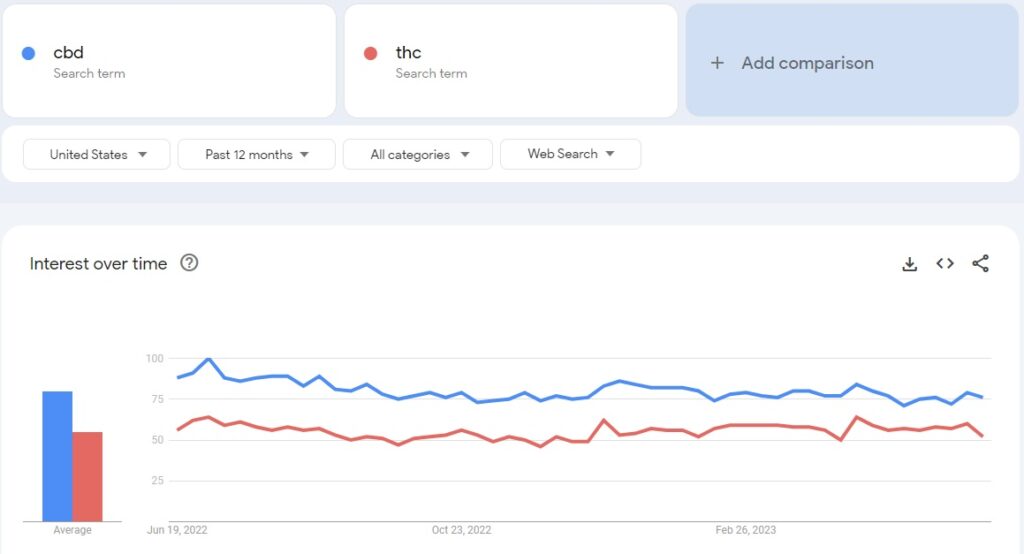
Cannabidiol (CBD), which the hemp plant is very rich in, has increased in popularity to such an extent in recent years that it is now searched for online more often than its cannabinoid counterpart tetrahydrocannabinol (THC) according to Google Trends. Below is a graph demonstrating that fact among search trends in the United States:

united states CBD online searches


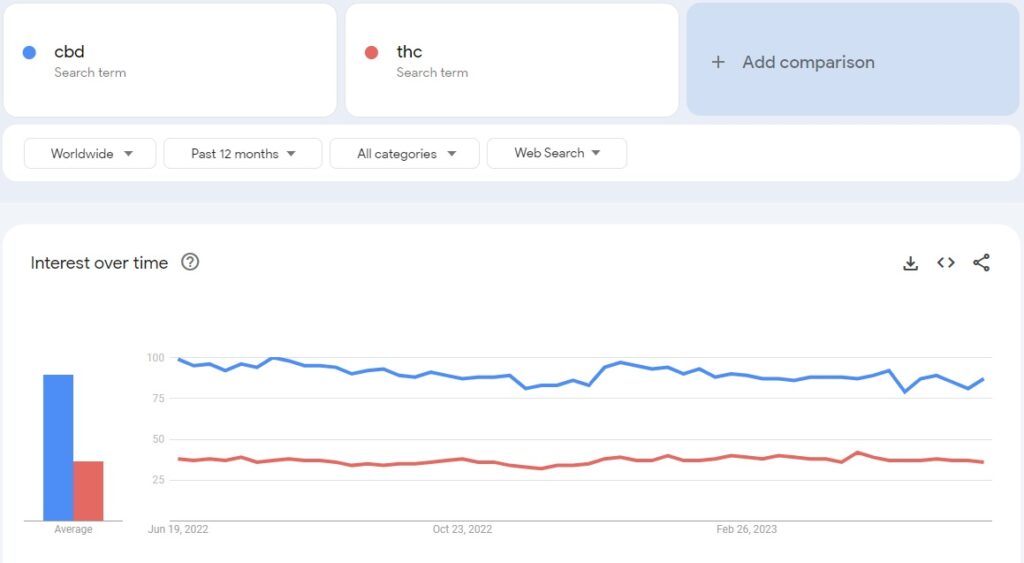
The gap between searches for CBD and searches for THC is even greater at the global level according to Google Trends, per the graph below:

Worldwide CBD online searches

Often seemingly lost in the global CBD conversation is that one of the best things that hemp can be used for involves using it as a building material. The material is called ‘hempcrete,’ and it’s a bio-composite made of the inner woody core of the hemp plant mixed with a lime-based binder.

The inner woody core or ‘shiv’ is high in silica content and that allows it to naturally bind really well with lime. It is a property that is seemingly unique to hemp among all of the known natural fibers.

Hempcrete is primarily used as an insulating material, weighs about a seventh or an eighth of the weight of concrete, floats in water when fully cured, and is nearly fire-proof (at least compared to other popular building materials). A recent article by BBC provided a great example of hempcrete in use in the UK, and had the following to say about the material in general:

According to the European Commission, one hectare (2.5 acres) of hemp sequesters between nine and 15 tonnes of CO2, and only takes five months to grow – meaning it is better than typical commercial forestry at sequestering carbon. What’s more, hemp production is reported to help regenerate soil and remove heavy metals from the ground.

But a whole host of challenges must be overcome before hemp can make its mark on the construction industry. These include changes to government regulation, technical certification, and the funding and infrastructure needed to scale up hemp’s industrial production, streamline supply chains, and make it more affordable to use.

Due to the limitations mentioned by BBC in its article, and the popularity of CBD, hempcrete has never been fully embraced by society. However, that is likely to change in the coming years as researchers work to find out the best ways to extract CBD from hemp plants while simultaneously using other parts of the plant to make hempcrete and other building materials.

Opponents of hempcrete will try as hard as they can to focus on the fact that it is not used as a structural element and try to make it sound as if the potential of hemp as a building is limited, when in fact there’s likely so much more to learn about hemp’s potential as a building material.

As laws continue to be reformed, and innovators look to the hemp plant at an increasing rate as a source for sustainable building solutions, it’s nearly guaranteed that discoveries and breakthroughs are on the horizon, and if so, it will benefit society in numerous ways.

Czech Health Minister: ‘We Are Waiting For Germany To Legalize Cannabis’

One of the most active places on the planet right now for cannabis reform discussions is the Czech Republic. If you have followed our previous coverage, then you know that there is a strong push underway in the Czech Republic to legalize cannabis for adult use.

In October 2022 the national anti-drug coordinator for the Czech Republic, Jindřich Vobořil, announced his plan to pursue adult-use legalization.

“At the moment, there is a political consensus for me to create this proposal for the regulation of cannabis, a substance which is illegal at the moment. We want to regulate it with the help of the market and we believe that this regulation will be more effective than the current ban.” Jindřich Vobořil stated at the time.

Mere days after Germany’s Health Minister Karl Lauterbach held a historic press conference in Germany to provide an update about his nation’s legalization plans, news broke in the Czech Republic about some of the facets that may eventually make it into Czech law.

The model that made headlines back then (April 2023) involves the Czech Republic legalizing adult-use cannabis production and sales under a tightly regulated system. Consumers would be able to purchase up to five grams of cannabis per day according to domestic reporting, and consumers would be required to sign up through a government tracking database.

Meanwhile, running parallel to the reform push was the prosecution in the Czech Republic of a cannabis educator and journalist named Robert Veverka. Robert Veverka is the director of the Czech-based cannabis magazine LegalizaceBack in October 2021, we published an article about Robert being targeted by the Czech government over his journalism, with the government accusing him of “inciting and promoting toxicomania.”

Unfortunately, the Czech Republic proceeded with the indictment and in November 2021 Veverka and his media outlet were found guilty of the allegations, and Veverka was given a one-year prison sentence contingent on a probationary period of two and a half years as well as a fine of 50,000 CZK by the district court in Bruntál following two court hearings.

“The judge mentioned that he is not competent to assess the benefits of the current legislation, the benefits of cannabis products in healthcare, or the negative effects of cannabis use, but that he must base his verdict on the existing legislation which is binding for all. He stated that according to his judgement, Legalizace magazine evidently and factually constituted the criminal offence of inciting and promoting toxicomania.” Veverka stated at the time of the November 2021 verdict in a press release.

“He did not take into account the legislative provisions allowing for cannabis to be handled legally in certain cases or the comprehensive and educational nature of the information published in the magazine. On the contrary, the judge expressed his doubts as to whether the individuals who granted interviews to the magazine were made aware of its content and overall message. Personally, I consider the verdict to be very biased and severely restrictive of the freedom of expression, the right to express political opinion, and the right to information,” Veverka also stated.

Veverka must reportedly pay an administrative offense of €4.000 (as a defendant and a natural person) and €6.000 on behalf of his media outlet as part of an additional recent verdict. For anyone that is able to support Robert Veverka and contribute to his defense, bank details are below. If you are not able to contribute financially, please help spread the word on your social channels about his plight:

IBAN: CZ4320100000002900469065
BIC/SWIFT: FIOBCZPPXXX
Fio banka, as, V Celnici 1028/10, 117 21 Praha 1

This month the cannabis reform discussion in the Czech Republic took yet another turn, with the nation’s health minister offering up a series of comments about the nation’s push to legalize cannabis for adult use.

Minister Vlastimil Válek’s comments seemed to fail to accurately describe where things are currently at in Germany regarding cannabis reform, particularly as it pertained to Germany’s discussions with the European Union. Per ZdraveZpravy.cz:

Nevertheless, Minister Válek expressed his opinion regarding the actual approval of the standard, which would open up the market for cannabis containing a high amount of the psychoactive substance THC from January next year. He said that he is waiting for his colleagues from Germany, who are also trying to take a similar step. However, they are worried about how the European Commission [EC] and other EU member states, which oppose cannabis, would accept the legalization of cannabis in Germany. At stake are impacts on the EU-wide legal and illegal cannabis trade and market. It is exactly this, along with other questions, that the Germans are dealing with with EC representatives.

“I’m waiting for colleagues from Germany who are trying something similar. And they are not at the stage yet, and they promised us that they will show us the draft of the law, which of course the EC must give a positive opinion on, because it will be a certain breakthrough in what is in Europe,” Minister Válek explained to ZdraveZpravy.cz.

For starters, Minister Válek’s comments seem to passively disregard the fact that Malta has already passed an adult-use legalization measure and that regional adult-use cannabis commerce pilot programs also are already in existence in Europe (albeit in a limited-scope fashion).

To be fair, legalization in Germany would presumably be performed on a much larger scale than what is going on in Malta and with pilot programs in places such as Basel, Switzerland. However, the basic principle of the European Union and member states dealing with modernized cannabis policies in some form in some nations is not a new thing. The ‘what will Europe do if laws are reformed?’ talking point died a while ago, and it’s obviously time for cannabis opponents to move on.

German Health Minister Lauterbach made it clear in his April 2023 press conference that while the European Union would not permit nationwide sales to anyone of legal age, many of the components of Minister Lauterbach’s legalization did appear to receive approval, or at least that the European Union would not stand in the way of them.

While there is nearly no way to know if Minister Lauterbach has personally sent a copy of the current version of Germany’s legalization plan to his counterpart in the Czech Republic, there is still a considerable amount of information out in the public regarding where things currently stand and what is involved, and that the legalization plan is currently working its way around political circles in Germany.

For Minister Válek to act so clueless about where things are at in Germany seems disingenuous to me, however, that is not uncommon in politics. Ultimately, as things move along in Germany the pressure will build in the Czech Republic and many other parts of Europe, and many of the talking points that are being thrown around right now will fizzle.

The Global Rise Of Medical Cannabis

The legal medical cannabis industry is a global powerhouse now, however, that was obviously not always the case. International economists estimate that the legal medical cannabis market topped $31.8 billion USD in 2022 and that by 2030 the market size could more than double.

Yet, the emerging legal medical cannabis industry comes from fairly humble beginnings going back to the mid-1990s in California. A coalition of dedicated activists succeeded in getting the first medical cannabis legalization measure passed in California in 1996 and that victory set off a chain reaction that is still sweeping the globe today.

As medical cannabis reform has spread across the planet over the better part of the last three decades, the industry itself has evolved considerably during the same time period. The young legal industry in California in the mid-1990s doesn’t resemble the medical cannabis industry in existence today, including within California’s own borders.

The modern medical cannabis industry is far more sophisticated now compared to decades past, and rules and regulations are far more complex. With the rise of legal medical cannabis imports and exports, the complexities will likely only increase going forward.

Furthermore, adult-use reform is on the move, particularly in Europe where Germany is on the cusp of passing a national adult-use legalization measure. The modernization of adult-use cannabis policies will no doubt have an impact on medical cannabis policies in the regions where adult-use reform occurs.

All of that can make it hard to get a grasp on trends and opportunities, and it’s even harder when the industry and policy landscape shifts, which seems to be a frequent thing these days. Fortunately, there’s an opportunity to learn directly from leading international cannabis experts at the upcoming International Cannabis Business Conference in Berlin on June 29th-30th.

One of the panels for the conference, which is the largest and longest-running event of its type in Europe, is dedicated to discussing the rise of the global medical cannabis industry, and what impact legalization in Germany will have on the sector.

Georgia Glick, Head of Partnerships for Hanway Associates, will serve as the moderator of ‘The Global Rise of Medical Cannabis’ panel in Berlin. Joining Georgia Glick will be Lily Temperton, Head of Analysis for Hanway Associates, Lisa Haag, Founder of MJ_Universe, Alex Revich, Equity Partner at Hybrid Pharm and Cannabis Education & Medical Partnerships at Loosh Brands, Fleta Solomon, CEO of Little Green Pharma, and Dr. Malgorzata Meunier, CSO of Hapa Pharm.

Germany has emerged as a key player in the global medical cannabis market, with a robust regulatory framework and a growing number of patients accessing cannabis for therapeutic use. Although, Germany is not alone in its pursuit of medical cannabis.

Around the world, countries are exploring the potential of cannabis to treat a range of conditions, from chronic pain to epilepsy to cancer. In this panel, experts from Germany and beyond will take a closer look at the role of Germany in the international medical cannabis industry and explore emerging markets and pilot programs around the planet.

The panel will also discuss the critical importance of education for healthcare professionals, patients, and policymakers to ensure the safe and effective use of medical cannabis. You can view the full schedule for the upcoming International Cannabis Business Conference in Berlin at this link here.

Over 5,000 cannabis leaders from over 80 countries will be represented at the International Cannabis Business Conference in Berlin and that includes representatives from every sector of the industry as well as leading international cannabis policymakers and industry service providers.

Attend the International Cannabis Business Conference in Berlin to network with investors, entrepreneurs, industry regulators, and international policymakers and take your industry pursuits to the next level. Secure tickets now before the event is sold out!

German Health Minister Sees Legalization’s Success In Canada Firsthand

Arguably the most popular person in the international cannabis scene right now, for better or worse, is German Health Minister Karl Lauterbach. Minister Lauterbach made international headlines in October 2022 when he presented a plan to Germany’s federal cabinet and has served as a primary focus of international cannabis observers like myself ever since.

For several months cannabis advocates watched Minister Lauterbach’s social media channels with a very close eye, and even some of his in-person appearances yielded speculation as to what it may mean for Germany’s legalization efforts. Now that Minister Lauterbach’s legalization plan is being circulated amongst lawmakers in Germany, the focus on him has lessened, however, it has not completely subsided.

That was on full display when Minister Lauterbach traveled days ago to Canada and met with Canada’s Minister for Mental Health and Addiction Dr. Bennett to discuss cannabis policy. What Minister Lauterbach witnessed with his own two eyes, legalization succeeding, was significant. Below is his tweet about it:

Auto-translating his tweet from German to English, the tweet stated: “Meeting today with Canadian Minister for Mental Health and Addiction Dr. Bennett on cannabis legalization. The doctor says legalization has not led to an increase in consumption there, not even among young people. 70% of the black market is gone.”

A lot of anti-cannabis rhetoric is being tossed around these days in Germany as the legalization push continues, and one of my biggest pet peeves is cannabis opponents acting as if Canada didn’t legalize cannabis for adult use at the national level in 2018, and that there is not a significant amount of data available as a result. Unfortunately for those opponents, the reality we all live in speaks for itself.

As Minister Lauterbach’s tweet points out, claims that cannabis consumption will spike post-legalization have not materialized in Canada, and it’s likely that any limited increase in reported use is more indicative of longtime consumers finally being willing to admit it to government data collectors.

Furthermore, youth consumption, which cannabis opponents seem to constantly try to make the focus of their fear-mongering propaganda efforts. has not increased post-legalization in Canada, and that’s per Canada’s Minister for Mental Health and Addiction.

Cannabis opponents will cling to the out-of-context talking point that the unregulated market still exists in Canada, however, knowing that 70% of cannabis sales have transitioned to the regulated market is obviously meaningful. That’s a massive amount of revenue that used to go to organized crime and now goes toward boosting Canada’s economy, including to funding projects that benefit non-cannabis consumers.

Legalization works. It is working in Canada, and it will also work in Germany and wherever else lawmakers modernize their jurisdiction’s cannabis policies in a sensible way.

How Will German Legalization Affect Europe’s Emerging Cannabis Industry?

As a long-time cannabis activist in the United States, I have personally witnessed the ‘cannabis political butterfly effect.’ Cannabis activists worked at the state level to legalize medical cannabis for many years with no victories in the United States, although it wasn’t for lack of effort.

That all changed in 1996 with the passage of medical cannabis legalization in California. That one victory would quickly prove to be the first domino that would knock over several others in the years that followed, with state after state passing measures via citizen initiative or legislative action.

The same thing happened with adult-use legalization. The first states to legalize in the U.S. were Colorado and Washington in 2012, and roughly a decade later the list has grown exponentially to 22 states, two territories, and Washington D.C. Both policy shift patterns demonstrate the butterfly effect.

This is not to say that every reform victory sets off a public policy chain reaction. Obviously, Uruguay legalized cannabis for adult use and it was not until a handful of years later that Canada did the same, and then a few years after that before Malta passed its own legalization measure. Those examples highlight that not all prohibition dominos are created equal.

One international legalization domino is looming over all the rest right now – Germany. Germany is in the middle of a historic push to pass a national legalization measure, and we now know many of the policy facets that will be involved, although it’s still unclear what many of the regulatory requirements will be.

What is clear is that Germany is likely to spark a series of similar reform measures being introduced and passed in other countries, particularly in Europe. It is completely logical to assume that there will be a policy butterfly effect once Germany legalizes, unlike what has happened so far in Canada, Uruguay, and Malta.

Germany shares more borders (9) with other countries than any other nation in Europe. It is very unlikely that successful legalization in Germany will fail to move the needle in the region. Leaders in the Czech Republic have already publicly indicated that they will follow Germany’s lead, and presumably, several other countries are just waiting for Germany’s process to get further along before they do the same.

Germany is home to the world’s fourth-largest economy and holds tremendous political influence at the continental and global levels. Legalization in Germany is going to encourage countries throughout the world to get on the ride side of history and work to end cannabis prohibition at a level never previously witnessed since the dawn of prohibition.

This is all stellar news for the emerging legal international cannabis industry, as every reform victory yields new opportunities for entrepreneurs, investors, industry service providers, etc. Cannabis reform is on the move around the world, particularly in Europe, and that directly benefits overall industry pursuits.

With that being said, there are still many questions to be answered, not the least of which are how fast can people expect things to start moving, and where should they focus their attention. Some nations are going to move faster than others, and some markets are going to be worth holding out for compared to other markets that may have a lower barrier to entry but less profit potential.

Figuring that all out is not an easy task, and that is why we are encouraging people to come to learn straight from one of the best in the business at the upcoming International Cannabis Business Conference in Berlin on July 29-30th. Renowned international cannabis expert Peter Homberg will provide a keynote address dedicated to the topic of how legalization in Germany will affect the international cannabis industry. Peter Homberg is a partner at Dentons, the world’s largest law firm, and possesses a wealth of knowledge of cannabis policy and industry trends.

Over 5,000 cannabis leaders from over 80 countries will be represented at the International Cannabis Business Conference in Berlin and that includes representatives from every sector of the industry as well as leading international cannabis policymakers and industry service providers. Attend the International Cannabis Business Conference in Berlin to network with investors, entrepreneurs, industry regulators, and international policymakers and take your industry pursuits to the next level.

Secure your tickets now before the event is sold out!

Unpacking The Recent Historic Cannabis Court Decision In Uganda

This month in Uganda has been one for the ages from a cannabis policy standpoint. Earlier in May, Uganda’s Constitutional Court in Kampala rendered a decision that reportedly nullified the nation’s entire Narcotic Drugs and Psychotropic Substances Control Act. The Court reasoned that the measure was passed “without the required quorum in Parliament.”

That decision set off a wave of celebration both within Uganda and beyond its borders, with many domestic and international cannabis observers touting the decision as the Court having ‘legalized cannabis.’ However, as with many cannabis-based court decisions handed down around the globe, the actual truth of the matter is not nearly as straightforward.

Judiciary Pushes Back On Claims Of Legalization

The Petitioners of the case in question, Wakiso Miraa Growers and Dealers Association Limited, argued that there was a ‘lack of quorum by Parliament’ during the initial process of passing the Narcotic Drugs and Psychotropic Substances Control Act. Ultimately, Uganda’s Constitutional Court agreed with that argument, however, the Court adamantly disagreed with the assertion cannabis was legalized in the East African nation.

In a press statement, the Judiciary clarified that its ruling was fairly limited in scope and that it did not intend to legalize cannabis in Uganda via its recent decision. Rather, the Court expressly indicated that its intent was to nullify the process by which ‘provisions of sections 26, 29, 47, 49, and 60 (1) (b) and (c) of the National Drug Policy and Authority Act’ was adopted, but that substances ‘previously restricted under the National Drug Policy and Authority Act remain restricted’ and that ‘Parliament still reserves the power to legislate on the same subject’ if it wants to, which it presumably will.

The decision in Uganda was historic, however, not at the magnitude that many cannabis advocates had hoped, or in some cases, claimed. The fight to end cannabis prohibition in Uganda is, unfortunately, far from over. As such, cannabis advocates inside and outside of Uganda need to keep pursuing their efforts to achieve reform. Medical cannabis production is currently legal in Uganda, as are exports, however, the nation’s industry is still very limited by many measures.

Previous Cannabis Decisions In Other Countries

A cannabis-based court decision being rendered at a nation’s highest level, no pun intended, is not unique to Uganda. In September 2018, South Africa’s Constitutional Court rendered a unanimous ruling in which it deemed private, personal cannabis cultivation and consumption to be constitutional. The case stemmed from three consumers who were facing charges and argued that cannabis prohibition as it pertains to individual freedoms “intrudes unjustifiably into their private spheres.” Deputy Chief Justice Raymond Zondo said at the time that, it will “not be a criminal offense for an adult person to use or be in possession of cannabis in private for his or her personal consumption.” The decision did not extend to anything beyond private, personal cultivation, possession, and consumption.

Roughly a month after the historic decision was issued in South Africa, a somewhat similar decision was issued in Mexico. In late 2018, Mexico’s Supreme Court determined that an outright prohibition of cannabis was unconstitutional. Part of the Court’s ruling involved tasking lawmakers in Mexico with passing a legalization measure by an initial deadline. Unfortunately, the initial deadline and all subsequent extensions have yet to be complied with, as obviously, no legalization measure has reached the finish line in Mexico all of these years later.

A third major decision occurred in Italy in late 2019, where the nation’s Supreme Court also deemed the prohibition of private, personal cannabis cultivation to be unconstitutional. The case stemmed from an individual facing charges for cultivating two plants. The decision in Italy was similar to the previous ones issued in South Africa and Mexico, in that the scope of the decision was somewhat limited, and much was left to lawmakers to figure out. And just as reform efforts have languished in Italy, the same is true in South Africa and Mexico. They are all examples of court cases being both contextually historic and yet ultimately limited in scope in the long run.

Germany’s Adult-Use Cannabis Legalization Plan Is Leaked, Again

If you have spent a considerable amount of time in politics then you know that a classic tactic to build public pressure during political negotiations is to leak details to the media. After all, it’s one thing to negotiate a measure out of public view, but often an entirely different matter when the public gets to weigh in.

International cannabis observers already got to see the tactic in action back in October 2022 when an alleged draft of German Minister Karl Lauterbach’s legalization plan was leaked to the media and it resulted in considerable public outcry against certain provisions of the plan. Later in the month when Minister Lauterbach made his historic presentation to Germany’s federal cabinet the plan had evolved for the better, and it’s a safe bet that public outcry had something to do with that.

After Minister Lauterbach’s presentation in October 2022, Minister Lauterbach started lobbying the European Union to try to gain its permission for Germany to proceed with adult-use legalization. Minister Lauterbach eventually held a press conference, joined by other members of Germany’s government, and provided details regarding negotiations with the European Union. As we all now know, some of the provisions of Minister Lauterbach’s initial plan were deemed acceptable by the EU and some were not.

Home cultivation, possession, noncommercial cannabis clubs, and eventually regional adult-use pilot programs were approved according to Minister Lauterbach, however, nationwide adult-use sales will have to wait. For now, policymakers in Germany need to craft laws, rules, and regulations for what is in scope for the first two phases of adult-use legalization. German lawmakers simply stating that noncommercial cannabis clubs are permitted is obviously not enough, and there’s a political process well underway in Germany to hammer out all of the necessary details.

In news that is not at all surprising to me, another leak has occurred in Germany and it is shedding some light as to where domestic negotiations currently stand. Much of what was leaked and reported on in Germany seems to surround noncommercial cannabis clubs, which will be strictly regulated and purely “cultivation associations.” According to domestic reporting, no cannabis can be consumed “within the clubs and within a radius of 250 meters.” Below are additional provisions included in the draft that was acquired by the German Press Agency:

  • All club properties where cannabis is cultivated and/or stored have to be tightly secured
  • Every club has to have a ‘trained addiction and prevention officer’
  • Must comply with residue limits for pesticides and fertilizers
  • Must track cannabis from seed
  • Annual reporting of crop amounts, including cannabinoid percentage (THC and CBD)
  • Club members only
  • 50 grams per month limit for over 21 years old
  • 30 grams per month limit for 18-20 years old
  • THC percentage cap for 18-20 years old (ten percent THC)
  • Neutral packaging
  • Labeled with specific harvest information

In addition to club provisions, items pertaining to individuals were also reportedly included in the leaked draft. Consumption is prohibited “within a radius of 250 meters from schools, daycare centers, playgrounds, youth facilities or sports facilities.” Also, consumption “should also not be permitted in pedestrian zones between 7 a.m. and 8 p.m.”

Other provisions that were previously known appear to be unchanged in the recently leaked draft, including limiting consumers to one club membership at a time and permitting the cultivation of up to 3 plants. Pharmacies are not allowed to cultivate or sell adult-use cannabis under the leaked plan, and medical cannabis “is to be removed from the scope of the Narcotics Act.” In fact, medical cannabis reportedly has its own separate chapter in the draft law, which will hopefully provide a boost in safe access for patients, as well as help streamline cannabis research project approvals.

Some of the previously listed provisions seem to be drawing more outcry than others, however, it’s very important to recognize that the political process is far from over and that what was leaked was merely a draft. If people in Germany are fired up about a particular provision, or multiple provisions, now is the time to contact lawmakers and urge them to push for necessary amendments to the measure.

Colombia Needs To Improve Its Cannabis Export Regulations

Out of all of the countries on earth, you will be hard-pressed to find a country that is better suited to benefit from international cannabis reform than Colombia, at least from a raw cannabis production standpoint.

It is no secret that for many years Colombia has produced a significant amount of unregulated cannabis, thanks in large part to where the nation is located geographically and Colombia’s climate. Colombia is literally one of the best places on the planet to cultivate cannabis on a large scale, if not the best.

Colombia has a distinct advantage over many other countries when it comes to cannabis production, and that, in turn, makes it a top potential source for legal cannabis internationally. As the South American country tries to transition from an unregulated cannabis industry to a regulated one, a major issue that it needs to address is export regulations.

According to domestic reporting, medical cannabis exporters in Colombia are complaining about lower-than-expected export sales, and they are pointing at government bureaucracy as the reason why the sales are lackluster. Per Bloomberg Linea (translated from Spanish to English):

Sales of medical cannabis products have not met the expectations that companies had in light of issues ranging from delays in registration, permits, banking mechanisms and other regulatory issues, the National Association of Foreign Trade (Analdex) reported on Monday.

Exporters point out that “external sales of cannabis for medical use have been hampered and have been considerably affected.”

Entrepreneurs in the sector occasionally refer to delays in registration with the National Institute for Food and Drug Surveillance (Invima).

In addition, they warn about alleged delays in the processes of the National Narcotics Fund.

If Colombia’s medical cannabis industry is ever going to reach its full potential, the process for obtaining permission from the government to export raw cannabis and cannabis products needs to be overhauled and streamlined.

It is definitely worth noting that not all of Colombia’s export issues are due solely to what is going on within the nation’s borders. International treaties, policies, and enforcement practices also make cannabis exports more difficult in general for any nation, including Colombia. As such, reform is needed at the international level as well.

Attend CannaPortugal On May 19th And 20th

It is a truly historic era right now for cannabis policy, industry, and research, particularly on the European continent. Adult-use legalization is receiving significant attention in Europe right now, and understandably so. However, there’s currently far more going on with the continent’s emerging legal cannabis industry than just the push to legalize adult-use sales.

Europe’s legal medical cannabis industry continues to make strides at the national level, and ‘cannabis light’ is a sector of the industry that is growing in popularity. Products focused on hemp-derived CBD and lesser-known cannabinoids continue to enter the space as well.

All the while laws are being reformed, rules and regulations are being implemented, and consumer and patient trends continue to evolve. With so much going on in Europe’s cannabis industry, it can be difficult to keep up with the best and most timely information.

The CannaPortugal International Hemp and Cannabis Expo will take place on May 19th and 20th at the Centro de Congressos de Lisboa/Junqueira and we are encouraging people that are serious about the cannabis industry to consider attending. The event will bring hundreds of investors and specialists from more than a dozen countries together in a single space, in addition to featuring exhibitors and celebrities from the cannabis research and economic sectors.

“This is an event with established credits, in Lisbon, which aims to disseminate scientific knowledge, add value and accompany the expansion of the hemp sector, in particular, and cannabis, in general, as well as to reinforce the entire production process, without forgetting the positive impact that cannabis activity has in the field of human rights, quality of life, health, sustainability of the planet and economic development.” event organizers stated in a press release.

CannaPortugal integrates several initiatives, with a view to different professional areas and audiences. In addition to the Fair component of the event, with close to a hundred companies and national and international projects, the Expo integrates a B2B (business to business) program.

Additionally, CannaPortugal will feature professional workshops, to be carried out by specialist trainers in the area of ​​cannabis medicine, including:

  • Dr. Tanja Bagar, Slovenia
  • Dr. Neuza Fernandes, Brazil
  • Dr. Rafael Traldi, Brazil
  • Hugo Monteiro, Portugal
  • Chef Luís Pimenta, Portugal

CannaPortugal will also feature debates and round tables, with renowned national and international speakers, including:

  • Luna Stower, USA
  • Marcelo De Vita Grecco, Brazil
  • Del HendriXson, USA
  • João Taborda Gama, Portugal
  • Peter Homberg, Germany
  • Marcelo Demp, Paraguay
  • Elad Kaspin, Israel-Portugal
  • Maria Lourdes Serpa, USA
  • Giocomo Bulleri, Italy
  • Maren Krings, Germany
  • Sofia Fernandes, Portugal
  • Pedro Anastácio, Portugal
  • Bozidar Radisic, Slovenia
  • Carlos Beltrão, Spain
  • Neuza Fernandes, Brazil
  • Grant M. Saxena, USA
  • André Fajardo, Brazil
  • Eric Boone, USA
  • Francisco Almeida Ferraz, Portugal
  • Mila Jansen, Holand
  • Rita Oliveira, Portugal
  • Maurício Galvão, Brazil
  • Aimée- Aimée A. Drouin, USA
  • Carla Da Silva, Canada

The Expo also includes a wide range of innovative cultural activities, including the Global Cannabis Awards to honor personalities, countries, and projects that have contributed to the advancement of the cannabis industry around the globe.

Also, the event will include the HempAction Cannabis Fashion Show by GreenFits and Neuron Bonus with the participation of Weedog (Brazil) Cannabis Holistic Therapeutic Center. There will also be the Cannabis Art Space, a Media Center for the media and influencers, the Enthronement of the Confraria Internacional Cannabis Portugal, a Car Exhibition with hemp components, a Cannabis Food and Drinks Court, as well as music by Carlota Barros, vocalist of Telefonia.

CannaPortugal will be open on May 19th and 20th from 10am to 8pm. On May 21st, CannaPortugal participants and visitors will be offered a special tour of the capital – “Lisbon Cannabis Historical Tour” – which aims to explore the relationship between Portugal and the traditional cultivation of hemp in the country.

You can find out more about CannaPortugal and purchase tickets at: https://cannaportugal.com