International Cannabis Leaders Meet In Berlin For First Time After Historic Vote

Roughly two weeks ago the first provisions of Germany’s new adult-use cannabis legalization law took effect, with policy components related to personal cannabis cultivation, possession, and consumption by adults being implemented. Adults in Germany can now cultivate up to three plants in their private residences and possess up to 25 grams when away from their homes.

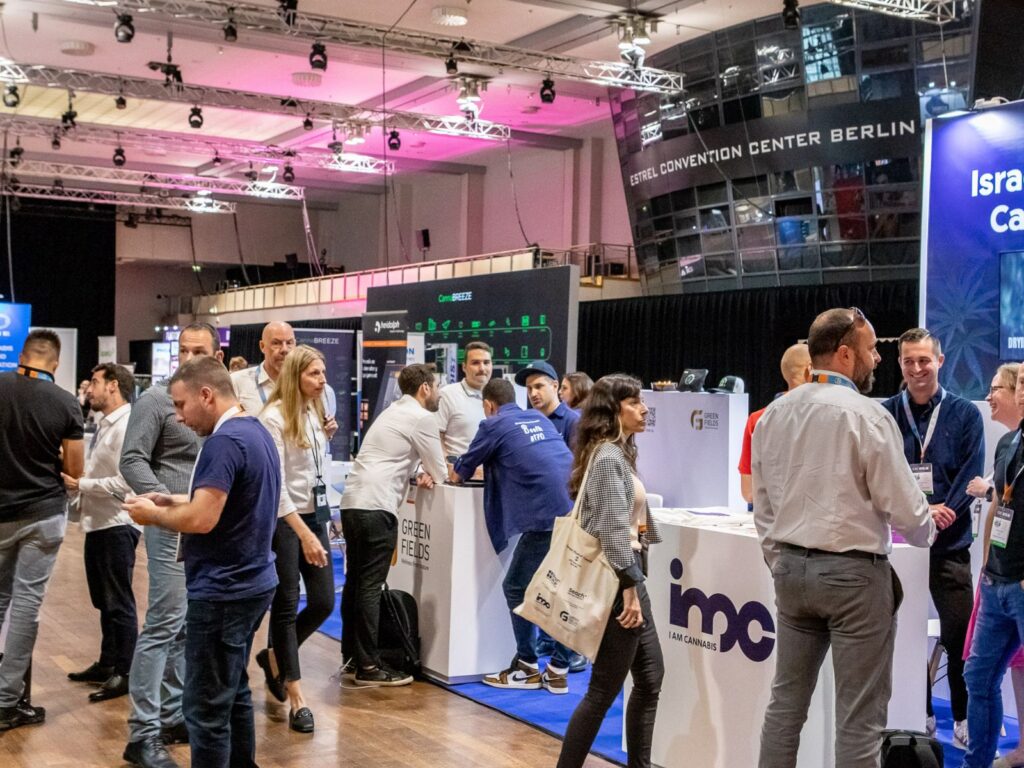
On the heels of the historic policy change, international cannabis leaders have converged this week in Berlin for the annual International Cannabis Business Conference B2B event, which is Europe’s largest and longest-running cannabis industry conference. The two-day conference is scheduled to take place in Berlin at the iconic Estrel Berlin Hotel from April 16th-17th.

The International Cannabis Business Conference, which also co-organized the Global Investment Forum with the Talman Group that took place today on the eve of the B2B event, is hosting the first major event anywhere in Europe after Germany’s legalization law took effect. Representatives from over 80 countries are expected to be in attendance.

Once again, European cannabis policy modernization efforts will be a large focus of the two-day conference. The topic has always been prominent in past International Cannabis Business Conference events in Berlin going back to 2017 when the first flagship conference was held in Berlin.

However, the cannabis policy landscape has obviously shifted across Europe now that Germany has legalized recreational cannabis for adults. In addition to cultivation, possession, and consumption, noncommercial cannabis clubs are expected to play a prominent role in Germany’s legalization model. Noncommercial cannabis clubs are expected to launch in July of this year.

Germany’s legalization law also removed cannabis from the nation’s Narcotics List, the significance of which cannot be overstated. Cannabis research is now easier to conduct in Germany as a result, and the supply chain for medical cannabis products will be streamlined as well. Germany’s legalization model is now the gold standard for Europe.

“This year’s International Cannabis Business Conference in Berlin is going to be extra special for our team given the historical context. We are excited to offer world-class cannabis industry and policy education, networking, and entertainment to attendees at such a historic time for Germany and Europe’s emerging cannabis industry.” says Alex Rogers, founder of the International Cannabis Business Conference.

Given Germany’s prominence in European industry and politics, many other nations in Europe are reportedly considering cannabis policy modernization efforts of their own. Germany is now leading a growing coalition of emerging legal European cannabis markets, and nations would be wise to join the coalition and follow Germany’s lead.

Cannabis science and technology will also be prominently featured at the International Cannabis Business Conference in Berlin this week. Leading experts from many scientific fields will be presenting at the two-day event.

You can find a full list of speakers for the International Cannabis Business Conference in Berlin at this link here, and the full two-day schedule at this link here. For those who are unable to attend in person, you can follow along on social media via the conference’s Instagram, YouTube, and LinkedIn social media channels.


Morocco Unveils Logo For Legal Cannabis Products

Last month Morocco’s Agence Nationale de Réglementation des Activités relatives au Cannabis (ANRAC) reported the nation’s first legal cannabis crop, which totaled a reported 294 metric tons. It was a major milestone for a nation that has long been associated with the cannabis trade, albeit the unregulated cannabis trade.

Historically, Morocco is one of the world’s largest sources of unregulated cannabis, with Moroccan cannabis being particularly popular in Europe. The first legal harvest reported last month is part of a new government program in Morocco that was launched to give cannabis farmers in the North African nation a path to join the regulated industry.

Morocco first adopted its current medical cannabis policy in 2021. The measure authorized the legal production of cannabis for medical, cosmetic, and industrial uses, as well as tasked a national agency to oversee the launch and operation of the industry.

In March 2022, Morocco’s government selected three provinces where medical cannabis would eventually be legally cultivated for domestic and export purposes. Roughly three months later, the nation’s national cannabis regulatory agency, ANRAC, met for the first time. In October 2022, Morocco issued its first cannabis production permits.

Now, the North African nation has announced that it has adopted an official logo for legal cannabis products created within its borders:

Morocco legal cannabis products logo

Many legal jurisdictions adopt an official symbol for cannabis products for various reasons, not the least of which is to alert people that the product contains cannabinoids. For Morocco, given its long history with the cannabis plant, the logo could eventually become more than just a symbol for legal cannabis products, but rather, a symbol for the nation’s entire emerging legal industry.

According to excerpts from initial reporting by Morocco World News, “The official gazette notice emphasized that the logo should be used as a label on all legalized cannabis products…It further emphasized that if the color used in the logo is not possible, the logo can be used in black and white.

Medical Cannabis To Be ‘Significant’ Part Of Jersey’s Economy According To Deputy

Jersey, the largest of the Channel Islands between England and France, is an island nation and self-governing British Crown Dependency. Jersey’s economy currently revolves around finance center activities, with such activity accounting for nearly 40% of economic activity in Jersey and 70% of the island nation’s tax revenue.

Home to roughly 100,000 people, 66% of the total resident population of Jersey were of working age as of 2021 (women and men aged 16 to 64 years). About a sixth (18%) were above working age and another sixth (16%) were below working age in 2021.

Jersey, like every other country on the planet, can benefit from the economic boost that the emerging legal medical cannabis industry can provide. According to Jersey’s Economic Development Minister medical cannabis will play a key role in the nation’s economy going forward. Per Jersey Evening Post:

JERSEY’s medicinal cannabis industry is still on course to become a “significant” part of the economy – having already generated around £60 million of investment in the Island – the Economic Development Minister has claimed.

Deputy Kirsten Morel said that local growers had contended with high start-up costs and strict regulatory standards, but that his department expected demand for medicinal cannabis to grow as more countries allowed for it to be prescribed.

In 2021, former Economic Development Minister – now Chief Minister – Lyndon Farnham predicted that the industry would start generating “meaningful returns” within five years and that it could become a “mainstay” of Jersey’s economy.

Unfortunately, not everyone is excited about Jersey’s medical cannabis industry. Police Chief Robin Smith is calling for tighter control of the country’s emerging industry, claiming that “entrepreneurial criminals” see the industry as “an opportunity to commit crime.”

“We have one case currently – and we have had others – where we believe that some people are dealing in medicinal cannabis via their prescriptions, or other people’s prescriptions. It is not a huge number but it is inevitable because that’s what happens when criminals get entrepreneurial,” Chief Smith stated according to Jersey Evening Post.

The police chief’s anecdotal evidence is limited at best, and just as many countries around the world are benefitting from a booming medical cannabis industry without any widespread issues, the same will presumably be true in Jersey in the coming years.

Europe’s Biggest Cannabis B2B Event Starts Next Week

On April 1st, 2024, Germany became the largest nation to ever implement a national adult-use cannabis legalization measure. The historic policy change has ushered in a new era for Europe’s emerging cannabis industry, with Germany leading the way. Several other European nations are reportedly making plans to modernize their own cannabis policies now that Germany’s policy change has become effective.

The timing could not be more perfect for the return of the International Cannabis Business Conference in Berlin on April 16-17th at the iconic Estrel Berlin Hotel.  International Cannabis Business Conference Berlin is the conference series’ flagship B2B event and tradeshow, serving as Europe’s largest and longest-running cannabis B2B conference. International Cannabis Business Conference Berlin is also the first major cannabis event to occur after Germany’s legalization law took effect. In addition to the B2B event, the International Cannabis Business Conference will also co-host the Talman Global Investment Forum in Berlin on April 15th.

The emerging legal cannabis industry is becoming a global phenomenon, with more nations than ever before having modernized their cannabis policies to permit legal cannabis research and commerce. That spread of policy reform has, in turn, created tremendous potential at the international level for cannabis entrepreneurs, investors, and industry service providers.

International Cannabis Business Conference Berlin 2023 Expo Floor

Euromonitor International estimates that the emerging global cannabis industry is currently worth 51.4 billion euros, with that figure estimated to top 60 billion in 2025. Germany’s cannabis industry is currently estimated to be worth nearly 1.2 billion euros. With the first pillar of Germany’s legalization model launching and further expansion of the law on the horizon, that number is likely to increase considerably in the coming years.

The legal industry no longer operates in regional silos, and a major challenge currently facing the emerging international cannabis industry is the difficulty of effectively networking with people from all over the world. The International Cannabis Business Conference and Talman Global Investment Forum in Berlin are the perfect networking opportunities, taking place right in the middle of European cannabis history being made.

The International Cannabis Business Conference is the leading cannabis B2B event series on the planet, with previous conferences occurring in several countries on multiple continents. The event series is owned and operated by cannabis advocates who believe in celebrating cannabis culture, in addition to providing world-class cannabis industry education and networking opportunities.

“This year’s International Cannabis Business Conference in Berlin is going to be extra special for our team given the historical context. We are excited to offer world-class cannabis industry and policy education, networking, and entertainment to attendees at such a historic time for Germany and Europe’s emerging cannabis industry.” says Alex Rogers, founder of the International Cannabis Business Conference.

It is becoming increasingly difficult to gain an edge on the competition in the emerging international cannabis industry, and it’s vital for people to get their ideas, products, or services in front of the right people at the right time. With executives, entrepreneurs, investors, policymakers, and industry service providers converging from across the planet, the International Cannabis Business Conference B2B trade show event in Berlin is the perfect place to put cannabis ideas on the global cannabis stage. You can find a full list of speakers at this link here, and the full two-day schedule at this link here.

The Talman Global Investment Forum in Berlin, which will be held at the iconic Hotel Adlon Kempinski Berlin, is investor-focused. Taking place on the eve of the International Cannabis Business Conference’s flagship B2B event in Berlin, Europe’s largest event of its kind, the Talman Global Investment Forum will bring together true leaders from top sectors and companies in the emerging cannabis space.

The goal of the event is to help facilitate meaningful networking, to provide timely education, and to stimulate deal flow potential among attendees. Rising industry sectors will be a major focus of the event, with speakers discussing how those sectors fit into the larger industry ecosystem.

“We know how hard it is for quality investors to link up with vetted cannabis industry companies offering valuable investment opportunities,” Rogers stated. “That is why we are bringing the Talman Global Investment Forum back to Berlin. It will be a prime networking opportunity for cannabis industry investors, entrepreneurs, and industry service providers alike.”

Over 5,000 cannabis leaders from over 80 countries will be represented at the International Cannabis Business Conference in Berlin and that includes representatives from every sector of the industry as well as leading international cannabis policymakers and industry service providers. Attend the International Cannabis Business Conference in Berlin to network with investors, entrepreneurs, industry regulators, and international policymakers and take your industry pursuits to the next level. Secure your tickets now before the B2B and Talman Global Investment Forum sell out.

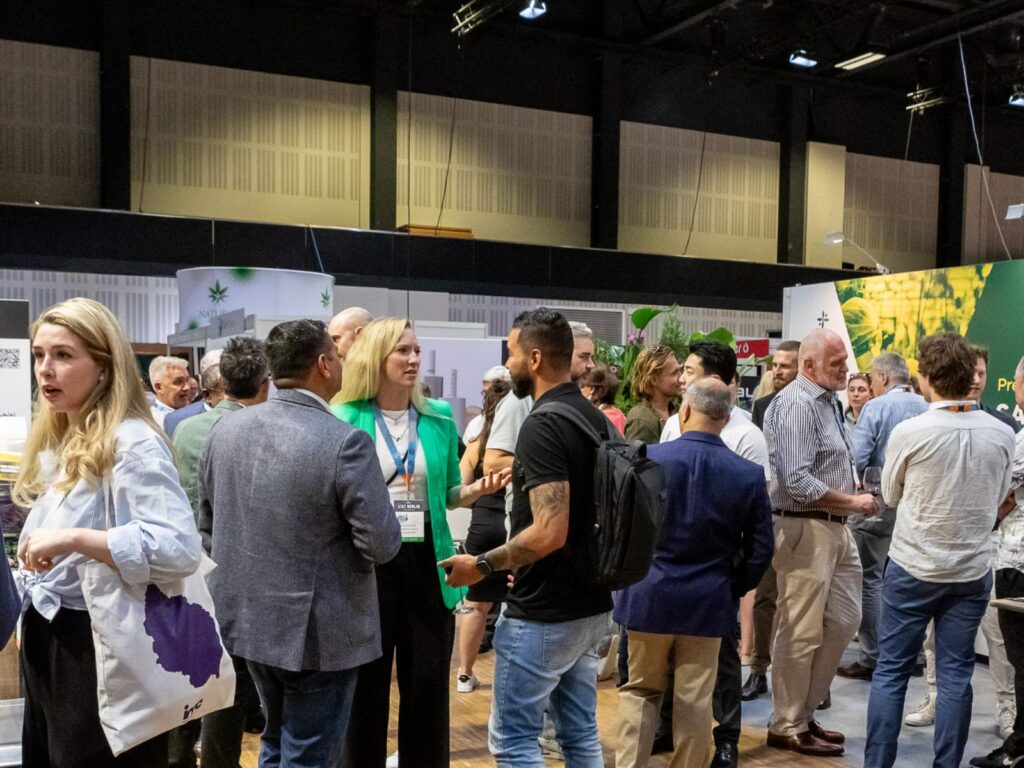
International Cannabis Business Conference Berlin 2023 Expo Floor

60% Of Netherlands Residents Want A Regulated Cannabis Industry

Few places on earth, if any, have as long and as storied of a history with cannabis consumption as the Netherlands. Amsterdam, which was home to the Cannabis Cup international competition for many years, has served as a top international cannabis tourist destination for decades.

Yet, as many parts of the world have successfully modernized their cannabis policies, the Netherlands has lagged behind on such reforms in many ways. Much of the cannabis industry in the Netherlands is still unregulated, with many of the nation’s famed cannabis cafes operating in a legal gray area at best.

According to a recent poll, a strong majority of residents in the Netherlands want to install regulations around the country’s cannabis industry, rather than letting the status quo remain. Per NL Times:

Six in ten Netherlands residents believe that the production, supply, and sale of cannabis and hashish should be legal. It is currently prohibited to grow cannabis, and growers are also not allowed to supply coffee shops, but the government tolerates the sale. Only 11 percent believe this current policy works well and nothing needs to change. That is the conclusion of Kieskompas and ANP based on a survey completed by over 6,000 Dutch people.

In almost all provinces, a majority is in favor of legalization. That group is the largest in Groningen and Flevoland, at around 70 percent. People from Drenthe and Zeeland are the least likely to favor legalization and are also the most likely to think that weed should not be tolerated at all.

Limited regional adult-use cannabis commerce trials are currently in operation in the Netherlands. Such trials permit a limited number of consumers, cultivators, and retailers to conduct cannabis production and purchases. The trials in the Netherlands first launched in December 2023 after a long delay.

For a time earlier this year, it appeared that the trials in the Netherlands would be halted, if not eliminated. However, such proposals have failed to materialize so far. Trials were approved in the Netherlands in Breda, Tilburg, Arnhem, Almere, Groningen, Heerlen, Hellevoetsluis, Maastricht, Nijmegen, and Zaanstad.

 A proposal to expand the cannabis trials to include the Amsterdam-Oost district was recently denied by members of the Netherlands Parliament.

The German Home Cultivation Revolution Has Arrived

For many long-time cannabis consumers and medical patients, there are few things as rewarding as cultivating a personal amount of cannabis. Historically, legal home cultivation was just a seemingly far-off dream for many adults in Germany, however, home cultivation is now legal for people 18 and older in Europe’s largest economy thanks to the tireless efforts of German cannabis advocates.

Legalization in Germany involves various provisions, including the right to cultivate three plants in a private residence. Adults can now possess up to 25 grams of personal cannabis while away from home in Germany, and up to 50 grams at their residence.

Another important facet of Germany’s new cannabis law involves lower penalties (administrative offense) for people caught possessing slightly more than the permitted limit.

While it is difficult to know exactly how many adults will choose to cultivate cannabis at home in Germany, Canada does provide some insight. Canada legalized home cultivation in 2018, and as of September 2022, an estimated 9% of Canadian consumers reported cultivating cannabis at home.

According to official statistics from 2021, an estimated 8.8% of adults in Germany aged 18-64 reported that they had consumed cannabis at least once in the last 12 months. Applying an 8.8% estimated consumer rate to Germany’s adult population and then applying a 9% home cultivation rate to that consumer base works out to over half a million people who would be expected to cultivate their own cannabis in Germany.

With that many people cultivating cannabis, certain sectors and products of Germany’s cannabis industry are going to explode, including but not limited to grow tents, grow lights, containers, grow mediums, nutrients, odor control temperature control, harvesting equipment, drying equipment, and storage technology. Service companies that specialize in energy efficiency will presumably experience increased demand.

The explosion in home cultivation product demand that is now underway in Germany will inevitably be met with a flood of products and services from innovative entrepreneurs and inventors. The best of those products will then have the potential to expand to an international market as legalization spreads across Europe and the rest of the globe.

The ‘ripple effect’ of Germany’s new cultivation freedoms will be felt around the world.

Demand for cannabis seeds and clones is going to be enormous in Germany going forward. Companies that specialize in providing quality cannabis genetics, both in Germany and the rest of Europe, are virtually guaranteed to see a spike in business.

The boost in home cultivation will result in more quality cannabis being consumed in Germany, and that, in turn, will boost demand for fun and unique ways to consume homegrown cannabis. As such, top companies that specialize in consumption gadgets and devices should experience an ancillary boost as well.

Germany’s emerging home cultivation sector will be a popular topic at the upcoming International Cannabis Business Conference in Berlin, which is taking place later this month on April 16th and 17th. The event will be the first major cannabis event in Germany after legalization took effect. A limited number of tickets are still available.

Register today for the historic event before the conference sells out.

Morocco Reports First Legal Cannabis Harvest

According to Morocco’s Agence Nationale de Réglementation des Activités relatives au Cannabis (ANRAC), the nation’s first legal cannabis crop totaled 294 metric tons.

The legal harvest is part of a new government program in Morocco that was launched to give cannabis farmers in the North African nation a path to join the regulated industry. Historically, Morocco is one of the world’s largest sources of unregulated cannabis, with Moroccan cannabis being particularly popular in Europe.

Morocco first adopted its current medical cannabis policy in 2021. The measure authorized the legal production of cannabis for medical, cosmetic, and industrial uses, as well as tasked a national agency to oversee the launch and operation of the industry.

In March 2022, Morocco’s government selected three provinces where medical cannabis would eventually be legally cultivated for domestic and export purposes. Roughly three months later, the nation’s national cannabis regulatory agency, ANRAC, met for the first time. In October 2022, Morocco issued its first cannabis production permits.

The recent harvest is the culmination of years of effort on the part of Morocco’s emerging industry, regulators, and elected officials. It will take a while before Morocco’s legal industry supplants its unregulated industry, however, the 294 metric ton harvest is still a major milestone. Per excerpts from Reuters:

The harvest was made by 32 cooperatives that brought together 430 farmers covering 277 hectares in the northern Rif mountain areas of Al Houceima, Taounat and Chefchaouen, ANRAC said in an email to Reuters.

This year, the regulator is examining applications by 1,500 farmers who organised themselves into 130 cooperatives, ANRAC said.

Nearly a million people live in areas of northern Morocco where cannabis is the main economic activity. It has been publicly grown and smoked there for generations, mixed with tobacco in traditional long-stemmed pipes with clay bowls.

The value of Morocco’s medical cannabis market was valued at USD 24.90 million in 2022 according to Grand View Research. The nation’s medical cannabis market is estimated to grow at a compound annual growth rate (CAGR) of 48.0% from 2023 to 2030.

Cannabis industry data company BDSA projects that the legal global cannabis industry will be worth $55 billion by 2027.

Indigenous Nations Are Making Strides In The International Cannabis Industry

The legal cannabis industry has evolved considerably in recent years. It has gone from an industry made up of several silo industries operating at a local level to an international community of emerging cannabis companies, with more entrepreneurs and investors joining every day.

The cannabis import and export markets are increasing in size as a result. Tribal Nations and Indigenous-led cannabis companies in North America, while still underrepresented in the cannabis industry, are at the forefront of international cannabis imports and exports.

Such entities act with autonomy due to tribal sovereignty, giving them a distinct advantage at both producing cannabis for export, as well as creating opportunities for international players looking to do business in North America.

A great example is Indigenous-owned All Nations Cannabis. All Nations Cannabis completed its first export to the international market in 2023. The company, in partnership with Shxwhá:y Village, became a vertically integrated business in 2022, producing and selling cannabis both at their own retail outlets and abroad.

“We’ve continued to grow high-quality cannabis and we’ve put that cannabis into two brands that we’ve launched, our All Nations premium brand, and Uncle Bob, our secondary brand, and we are selling through the provincial distribution system throughout Canada.” Darwin Douglas, CEO of All Nations Cannabis, told The Abbotsford News back in April 2023.

“I think it’s a huge accomplishment as a licensed producer operating not only on First Nations land, but also just as a licensed producer in the Fraser Valley to be making these big moves on the export front.” Douglas also stated at the time. “So we are really, really proud of our team, and all the hard work that’s gone into this, and excited for what the future holds on the export markets.”

Helping drive the Indigenous cannabis industry forward is the Indigenous Cannabis Industry Association (ICIA). A first-of-its-kind organization, the Indigenous Cannabis Industry Association exists to promote the exploration, development, and advancement of the cannabis industry for the benefit of all Indigenous communities.

ICIA is dedicated to the advocacy and empowerment of Indigenous cannabis businesses, influencers, and aspiring entrepreneurs along with being a conduit of connection and data for Indigenous Nations as they push towards a vision of an equitable, just, and sustainable Indigenous cannabis economy.

Founded by cannabis entrepreneur and member of the Bad River Band of the Lake Superior Tribe of Chippewa Indians Rob Pero in August 2022, ICIA creates opportunities for Indigenous people in cannabis and empowers the Indigenous community through policy, programming, and outreach initiatives.

In 2016 the National Congress of American Indians passed a resolution approving cannabis production to promote tribal self-determination and self-governance, create job opportunities, strengthen tribal governance, and promote equity in the cannabis industry. The current legal landscape of the cannabis industry is complex.

Tribal corporations are eligible to establish a ‘Foreign Trade Zone’ according to the U.S. Department of the Interior. A Foreign Trade Zone (FTZ) is a designated geographical area where foreign and domestic goods are treated, for tax and tariff purposes, as if they had never entered the United States. It’s an important distinction for cannabis imports and exports and is one of the many areas of public policy and industry regulations that the ICIA helps its members navigate.

Members of ICIA are also given access to ICIA’s network of Tribal Nations, industry partners, advocacy groups, mentors, businesses, and aspiring entrepreneurs to help navigate the complex landscape of tribal, state, and federal policy and to provide resources for Tribal governments and Indigenous people to design and advocate for equitable cannabis policies.

“In the rapidly evolving landscape of the international cannabis industry, the most significant yet untapped opportunity lies within the Indigenous cannabis sector. As founder of the Indigenous Cannabis Industry Association and a member of the Bad River Band of the Lake Superior Tribe of Chippewa Indians, I am proud to say that our communities and partners are pioneering a collaborative approach towards this burgeoning industry,” said Pero. “We are committed to engaging in all aspects of the cannabis industry at the highest level, prioritizing public safety and wellness, while also recognizing the profound economic and workforce development potential. By activating our sovereign rights and abilities to self-determine sustainable commerce in emerging industries, Indigenous Nations are not only building global relationships but also setting a precedent for equity, justice, and sustainability in the cannabis economy.”

ICIA serves Tribal Nations and Indigenous-led businesses as the leading Indigenous trade association in the nation, working to develop Indian Country’s roadmap for federal, state, and local lobbying and advocacy while providing technical assistance to tribes and their members for optimum access to cannabis industry resources.

“Our journey represents a pivotal shift from Indigenous-led cannabis efforts operating locally to a formidable presence in the international market, as demonstrated by milestones like All Nations Cannabis’s first international export,” said Pero. “This is just the beginning. Together, we are charting a course for a future where Indigenous-led cannabis businesses thrive, contributing to the wellness of our communities and the global economy.”

Rob Pero will be presenting at the upcoming International Cannabis Business Conference in Berlin, Germany. The event, which is the largest and longest-running of its kind in Europe, takes place on April 16-17 at the iconic Estrel Berlin Hotel. Register today to come learn more about Rob Pero and the Indigenous Cannabis Industry Association along with several other world-class speakers. Space is limited, so purchase your tickets as soon as possible before the event sells out.

Featured image via the Indigenous Cannabis Business Association

Pakistan Approves Creation Of Cannabis Regulatory Agency

Pakistan may not be the first country that you think of when it comes to the emerging international cannabis industry, however, the nation is making strides to establish itself as an international cannabis player.

That is evidenced by the recent approval of a historic measure for Pakistan, which will, among other things, authorize the country to create a regulatory agency to oversee the nation’s legal cannabis industry once it is operating. Per Hum News:

President Dr Arif Alvi has given his nod to the promulgation of the Cannabis Control and Regulatory Authority Ordinance 2024, a significant move aimed at regulating the cultivation, extraction, manufacturing, and sale of cannabis derivatives for medical and industrial purposes.

The ordinance, officially titled the Cannabis Control and Regulatory Authority Ordinance 2024, aligns with Pakistan’s commitment as a signatory to the Single Convention on Narcotic Drugs 1961. It mandates the establishment of a government agency to oversee the cultivation and production of cannabis, in accordance with international conventions.

The new agency will be known as the ‘Cannabis Control and Regulatory Authority’ and will reportedly involve a 13-member board of governors, chaired by Pakistan’s Secretary of the Defense Division. The board will incorporate representatives from several government departments, the industry itself, and Pakistan’s intelligence agencies.

Cannabis industry licenses in Pakistan are expected to be valid for five-year periods, and a maximum harvest threshold of .3% THC will be enforced. Pakistan first approved hemp farming and related industrial processing back in September 2020.

Pakistan’s main exports are currently textiles, cotton, yarn, rice, and leather products. An industry projection from August 2022 estimated that a thriving hemp industry in Pakistan could be worth multiple billions of dollars annually. Many kush cannabis strains originated in the Pakistan region.