JPMorgan: No Trading Certain U.S. Cannabis Stocks

Cannabis stocks are a popular and easy way to invest in the emerging cannabis industry. As any seasoned investor will point out, cannabis stocks are young compared to stock offerings from more established industries, and the landscape in which those companies operate is always evolving. That creates risk.

To make matters more complicated in the United States, not all cannabis stocks are listed on major stock exchanges. Cannabis, of course, remains illegal at the federal level in the U.S. and that creates even greater risks for certain cannabis companies.

All of that risk, combined with the fallout from the collapse of a private fund, has led JPMorgan to cease all trading of certain U.S.-based cannabis stocks. Per excerpts from an article first published by Reuters:

JPMorgan Chase & Co (JPM.N) has told prime brokerage clients it will no longer let them buy certain U.S. cannabis-related securities beginning Nov. 8, according to a letter seen by Reuters.

“J.P. Morgan (JPMS) has introduced a framework that is designed to comply with U.S. money laundering laws and regulations by restricting certain activities in the securities of U.S. Marijuana Related Businesses,” the bank wrote to clients.

As of Nov. 8, the bank will not allow new purchases or short positions in the related businesses, but clients with existing positions will be allowed to liquidate them, it said.

Cannabis stocks have taken a pounding this year, especially stocks for United States companies. JPMorgan’s announcement could, unfortunately, add to the trend, at least in the immediate future.

Cannabis companies that ‘touch the plant’ and are not listed on the Nasdaq, the New York Stock Exchange, or the Toronto Stock Exchange are subject to JPMorgan’s new policy.

Polish Hemp Production Is Down – Because Of Government Stays On Incentives

Hemp production fell about 36% this year because many farmers found their state-derived incentives blocked due to supposedly illegal levels of THC

Here is the good news. The Polish government is providing government incentives to the domestic hemp industry. 

Now here is the kicker. The domestic Agency for Restructuring and Modernization of Agriculture (ARiMR) which supports such efforts reduced the amount of money allocated for this activity on the basis that the hemp grown had a level of THC that is verboten.

As a result, hemp fields in cultivation for 2021 numbered just 2,300 hectares, down from 3,600 in 2020 as subsidies have been blocked for the FINOLA oilseed variety (the most popular crop).

The Finnish-based FINOLA is fighting back against this decision as well as the European Commission’s Standing Committee on Plants, Animals and Feed after the EU level agency issued a decision in late July allowing Poland to prohibit the marketing of its seeds.

There is an ongoing battle right now at the European level – namely about how and whether to proceed on a previous decision that CBD was not a narcotic or take a giant step back and reverse its earlier decision.

This hemming and hawing on a regional level is absolutely at play in Poland – particularly because the EC has already signed off on allowing a regional increase of THC from 0.2 – 0.3%. 

However, the domestic government’s stance on the issue creates yet another snag in the pipeline – namely that a regional body and one country in the region (Finland) have already proceeded with the understanding that a higher level of THC would be allowed – and a local one dug in its heels on standing precedent.

This kind of whipsaw is of course not limited to either Poland or hemp. Much of the battle for legalization reform over the next few years will absolutely be to create regional standards and then get these clearly implemented in individual countries. Both strategies will have to be followed – one is not enough. 

Beyond this, of course there are pending lawsuits that also may help change the landscape – but this strategy also has its drawbacks.

Cannabis Reform Is a Hot European Issue

Despite general intransigence and local skirmishes like this one (which have nonetheless proved to be a setback for the thriving Polish hemp industry), there is a new sense on a political level that cannabis reform is coming to Europe and will not be held back. This has been reinforced in the last month with both Switzerland and Luxembourg announcing the next steps to their own recreational markets.

Nonetheless, forward motion is going to be a hard-fought proposition – regionally and locally. This latest contretemps is just one more example.

Be sure to stay tuned to this blog for more trends and analysis of the European cannabis market.

Feiras E Congressos Alavancam A Indústria E Fomentam A Cultura Canábica

This article was originally published by Poder360 and republished here with special permission from the author

By Anita Krepp

Cursos e workshops extraoficiais oferecidos por empreendedores autônomos que viajam para participar do evento principal criam agenda paralela com aulas de cultivo, culinária e extração

Se, mesmo depois de tantos anos, o mistério sobre quem nasceu primeiro, o ovo ou a galinha, ainda não foi definitivamente solucionado, questões de mesmo cunho filosófico, como quem surgiu primeiro, a cultura ou a indústria da cannabis, também estão longe de serem elucidadas. No entanto, uma coisa é certa, a indústria só encontra terreno fértil para crescer e prosperar em uma cultura vibrante e ativa em torno da planta, duas características que as feiras e congressos canábicos cultivam há quase duas décadas, e vem se fortalecendo significativamente de dois anos para cá.

Talvez seja por isso que você anda recebendo cada vez mais convites para participar desse tipo de evento. A indústria já percebeu que o caminho para gerar mais lucro é apostar na formação e no networking de seus atores e consumidores, especialmente por se tratar de um nicho que carece de um rebranding para afastar os antigos preconceitos e de muita educação sobre o que ele de fato é. E apesar do enorme desafio imposto aos realizadores destes eventos durante o confinamento na esteira da pandemia, a indústria seguiu se reunindo e debatendo, ainda que nos últimos meses apenas virtualmente.

Com a volta gradual à normalidade, os eventos presenciais devem reunir um público ainda maior do que em 2019, aposta Alex Rogers, fundador da International Cannabis Business Conference, uma rede internacional de conferências B2B, especialmente porque a maioria das pessoas passou a maior parte do tempo trancafiada em casa e não vê a hora de encontrar seus pares. Mesmo todas as facilidades de um encontro por vídeo não substituem o “cara a cara” na hora de fechar um contrato milionário — somente na International Cannabis Business Conference de 2019, os negócios fechados superam os 100 milhões de dólares. Por isso mesmo, Rogers prepara um espaço de 65 mil m2, o maior até então, para receber mais de 5 mil pessoas na próxima edição, que acontecerá em Berlim, em julho de 2022.

Em meio a centenas de eventos espalhados pelo mundo, alguns de destacam ao catalisar investidores, empresários, produtores e também o público em geral. Um deles, quiçá o de maior expressividade, ocorre na América Latina. O Expocannabis Uruguai acontece no início de dezembro e vem ganhando relevância por se tratar de um país pioneiro na legalização da substância. Isso possibilita, entre outras coisas, o contato direto do público com plantas e flores de cannabis, inclusive com altas concentrações de THC, algo que não é oferecido em nenhum outro lugar, devido às restrições regulamentares ao canabinóide psicoativo.

“Sentir o cheiro da erva e poder sair para uma área reservada dentro do evento para acender um ´baseado´é o tipo de experiência única da Expo Uruguai”, garante Meche Ponce de León, idealizadora e produtora da feira que, desde a primeira edição, em 2014, recebe centenas de brasileiros, que representam o maior público estrageiro. Mas, afinal, o que é que nós vamos buscar na grama do vizinho — que, neste caso, diga-se, é sim infinitamente mais verde? A resposta é simples: experimentar, nem que seja por alguns dias, o gostinho de viver em um ambiente legalizado. Aliás, legalizado e inspirador. Ao passear por vários estandes de empresas de fertilizantes, parafernalhas para autocultivo, óleos medicinais e até banco de sementes, parece que um mundo novo vai surgindo, repleto de possibilidades de negócios que impactariam diretamente a economia não só do país, mas também de gente criativa, ávida por empreender num nicho tão promissor.

Além disso, feiras como essas contam com espaços de socialização, com música e comida, além de um auditório para as conferências e bate-papos a respeito das novidades do mercado, o que envolve saúde, indústria e uso recreativo da erva. Discussões, por exemplo, sobre os efeitos de uma enorme variedade de cepas (espécies de flores de cannabis) que você provavelmente nem sabia que existiam são comuns e muito disputadas.

Legalização não é nada sem cultura

É claro que feiras e congressos são importantes em qualquer outro setor da indústria, mas, quando se trata do incipiente ecossistema da cannabis, são alçadas a um protagonismo único, assumindo um papel fundamental em articulações que envolvem a pressão sobre autoridades, a viabilização de movimentos sociais e a luta dos pacientes, pautas fundamentais para a estruturação e o desenvolvimento do mercado. Estes espaços de promoção do acesso à informação e conhecimento se tornaram cruciais para que potenciais consumidores saibam aquilo que têm à sua disposição, o que naturalmente cria novas demandas de venda.

Somos todos ainda ignorantes — em menor ou maior grau — nos assuntos relacionados à cannabis. Há pouco tempo atrás, até o maconheiro mais raiz pensava que os fungos do prensado paraguaio, o típico “tijolinho de maconha”, modalidade mais difundida no varejo do uso recreativo e de qualidade algo duvidosa, potencializavam os efeitos da erva, quando, na verdade, causam danos ao pulmão. Tamanho equívoco se deve a uma cultura proibicionista, onde, em muitos lugares, apenas tocar no tema é tabu, o que acaba por sufocar a informação e, por conseguinte, a liberdade e as melhores tomadas de decisão. Ignorância, sim, é muito prejudicial à saúde.

Mesmo onde a indústria está legalizada, como na Colômbia, em que gigantescas estufas anteriormente voltadas ao cultivo de rosas agora são destinadas à cannabis, a falta de uma cultura canábica consolidada impossibilita o surgimento de negócios como distribuidores, growshops e bancos de semente, fazendo, assim, com que o debate social seja uma coisa meio morna, e o país seja um eterno predestinado à exportação de insumos. É o resultado que se obtém ao desprezar o potencial crescimento econômico promovido pela cultura da cannabis.

Cultura essa que, aliás, pode mudar de rumo e apontar novos caminhos. Raúl del Pino, da Spannabis, maior evento do ramo na Espanha e um dos mais importantes do mundo desde 2002, sentiu o cheiro de oportunidade no mercado medicinal da planta e não desperdiçou a oportunidade. Ele já prepara o lançamento da CBD Business Fair, específica para produtos de CBD e cânhamo, para outubro do ano que vem.

É pena que, no Brasil, a pobre regulamentação vigente, ainda restrita aos setores abastados da sociedade, siga desprezando os potenciais industriais, econômicos e culturais da erva. Contudo, nem tudo são lástimas. Há um burburinho cultural crescente, estimulado por eventos como o Cannabis Thinking, que promove discussões pertinentes sobre o próprio ecossistema e o networking entre os players da indústria no país. Tudo, porém, sem o cheiro da erva. Aos que ficarem com gostinho de quero mais, resta dar um pulinho no país vizinho.

Agenda paralela dos eventos extraoficiais

O número de turistas brasileiros que cruzam a fronteira para visitar a expo no Uruguai cresce a cada ano, com gente ávida por, digamos, visitar um “salão do automóvel”… com automóvel. Grande parte desse público se une a iniciativas como a Rádio Hemp, que já tem dois ônibus cheios com saída marcada para dezembro, e aos pacotes de viagens oferecidos por agências de turismo canábico, como a MiCasa420. No meio dos entusiastas que pegarão a estrada, há também alguns profissionais e empreendedores canábicos. Eles aproveitam a concentração em um só lugar desse público selecionado para também comercializar seus produtos e serviços. Que sorte, não, poder trabalhar no seu ofício sem correr o risco de ser preso por isso?

Talvez, o que melhor ilustre a formação de uma cultura canábica aconteça justamente para além dos muros do evento oficial. Do lado de dentro, o público está buscando algo específico, tem uma agenda de visitação pré-definida, digamos, estando menos abertos, portanto, ao improviso. Mas, do lado de fora, acontece a mágica. Atividades mais dinâmicas, onde as pessoas se conectam de outra maneira. Todos os dias do evento principal e também nos dias prévios ou seguintes a ele, há uma agenda intensa de atividades. Caio Cézar, do canal Cozinha4e20, sonha em poder fazer uma fornada de brownie e anunciar que vai estar em alguma praça brasileira vendendo seu produto sem, necessariamente, arrumar problemas por isso. Mas, enquanto essa possibilidade não se realiza, Cézar viaja ao Uruguai, aluga uma casa e monta um menu com infusão de cannabis para receber os convidados pagantes deste jantar.

Festas, noites temáticas de drinks ou brownies com cannabis, rodízios de pizza, e tudo isso regado a muito papo que metalinguisticamente discute a própria cultura canábica gerada naquele lugar. No dia seguinte, city tour canábico e vários cursos e workshops de culinária, extração e cultivo da terra. Se, antes, os jovens trocavam figurinhas sobre qual boca de fumo era menos perigosa ou onde o fumo estava mais em conta, hoje começam a falar sobre cultivo, pH da água, substratos e técnicas de germinação. Pelo visto, a difusão da cultura canábica não só fomenta a economia, como também traz uma nova perspectiva para a garotada. Ao que tudo indica, é só questão de tempo para o famigerado prensado paraguaio virar peça de museu.

Switzerland And Luxembourg Firm Plans For Recreational Markets

Two European countries, one in the EU and one surrounded by it are, after many stutters and false starts, moving concretely towards recreational markets next year.

In the last week, both Switzerland and Luxembourg have made concrete plans to formalize their recreational plans for 2022. This may indeed prove to be Europe’s tipping point year, much akin to 2014 in the US when both Colorado and Washington State defied US federal law and moved forwards with their own recreational markets.

With Holland formalizing its recreational market, and Portugal also now at a tipping point, even if much delayed, the conversation about recreational cannabis has hit Europe. 

What this will mean, however, is a different conversation.

Most if not all investment funds (for example) are still publicly at least, only talking about medical cannabis investments. 

In a blended market like Switzerland, however, this may make increasingly little difference.

Medical Vs. Recreational Production and Certification

One thing is for sure. The level of certification issued for such markets will be done at a federal level. This means, by definition, that the level of quality will be much higher than what was initially seen in the US.

In Switzerland, pharmacies will carry both kinds of products. This means that even recreational products will have to pass federal quality tests still unseen in America.

Impact on Other EU Markets

All this is happening of course at a time when Germany, still Europe’s largest medical cannabis market, is now considering the next course of cannabis reform. It is highly likely in the next two years, that the coalition government that seems to be formalizing, will at least decriminalize the plant. 

However, with trial projects going on all around it, it is also unlikely that Germany will be able to resist the clarion call for a recreational trial within the next four years. The FDP, for one, are clear about their desire for tax money that could come from the market. This will become an increasingly interesting proposition as the ravages of both Covid and the subsequent supply chain discussions now hitting the world.

Beyond this, there are clearly other EU countries hovering around this discussion even if they have not formally announced the same. This includes the Czech Republic. It may also include places like Italy and Malta where home grow is now legit, not to mention Spain.

The future indeed seems to look brighter and brighter, and it is very clear that this time it is not just another train.

Stay tuned to the International Cannabis Business Conference blog for developments about the global cannabis industry.

South African Producer To List On Johannesburg Stock Exchange

In a first of its kind, a Gauteng based cannabis producer has listed on the Johannesburg Stock Exchange (JSE)

Tuesday October 12 last week was a red-letter day of sorts for the South African cannabis industry (not to mention the regional discussion beyond that plus destination markets). Cilo Cybin Pharmaceutical, based in Gauteng, listed on the JSE.

Partnered with the Vaal University of Technology, the company has received massive interest from investors so far. Product validations are on target for the South African summer season.

The Africans Are Coming

The cannabis industry in the southern tip of Africa is certainly starting to come into its own. The first GMP cannabis has now shipped to Germany (from several firms) and at prices that are making everyone impressed (along with high quality). This includes cannabis from Lesotho as well as South Africa. But there are others lining up to follow (see Zimbabwe).

Cannabis from Africa is starting to make a splash, in other words, in many places in Europe (and not just Germany). With prices that make exports even to low-income European countries feasible, cannabis production from this part of the world is on track to have a major impact in the highly competitive medical market across the EU and in the UK.

In turn, this will also begin to make a serious dent on pricing, which has started to go down, but not by much. News, however, of 100 euro a gram cannabis sold wholesale to any European country is not likely to surface again as a result.

The Growing German Medical Market

While patient counts are still hard to nail down for sure, the German cannabis market continues to grow. The latest estimates are that there are 130,000 German patients right now – and of course, as most in the industry know, this is only going to increase.

Beyond this, there is a general interest in medical cannabis now that the Covid Pandemic is at the stage where it is. This includes scientific inquiry (and by some of the best-known names in the industry like Rafael Mechoulam) about the impact of cannabis on Covid.

Bottom line? You are likely to see some African-grown cannabis in a pharmacy near you – and as recreational markets open in Europe, no doubt some intriguing brands that are off the charts in terms of taste and stability.

African Queen cannabis anyone? The journey is just beginning.

Stay tuned for more regional and international cannabis updates.

What Are The Best Cannabis Events In Germany?

It is an extremely exciting time to be a cannabis enthusiast. Thanks to the hard work of countless cannabis activists, cannabis reform continues to spread across the planet. Cannabis is now legally accessible for medical and/or adult-use purposes in more jurisdictions than ever before since the dawn of prohibition.

Momentum for cannabis reform is particularly strong in Europe where safe access to medical cannabis can be found in most countries, especially in Germany. Germany is now the cannabis capital of the European continent, at least from an industry standpoint. Adult-use legalization in Germany will hopefully happen sooner rather than later.

The rise in cannabis reform has been paralleled by a rise in interest in all things cannabis. People want to learn how to cultivate cannabis, about cannabis science, the latest cannabis products, how to get into the cannabis industry, and much more. It can be very difficult for people to know what information is valuable and what is not, and it’s particularly difficult to network in a real-life setting with other like-minded cannabis enthusiasts in a meaningful way.

The best way to learn a lot about cannabis in a short amount of time while making a lot of new cannabis friends and colleagues is to attend an in-person event. There’s really no adequate substitute for attending an in-person cannabis event, as so much happens when cannabis-curious newbies, leading experts, and folks that are in between are all under one roof socializing, teaching, and learning.

International Cannabis Business Conference Berlin 2021

There are many cannabis events out there these days of all types and sizes, however, not all of them are created equal. Some events are the real deal while many prove to be nothing more than hype. If someone attends a cannabis event they obviously want it to be worth the effort on their part. The last thing that someone wants to do is to buy tickets and travel to a cannabis event just for it to turn out to be lackluster (or worse).

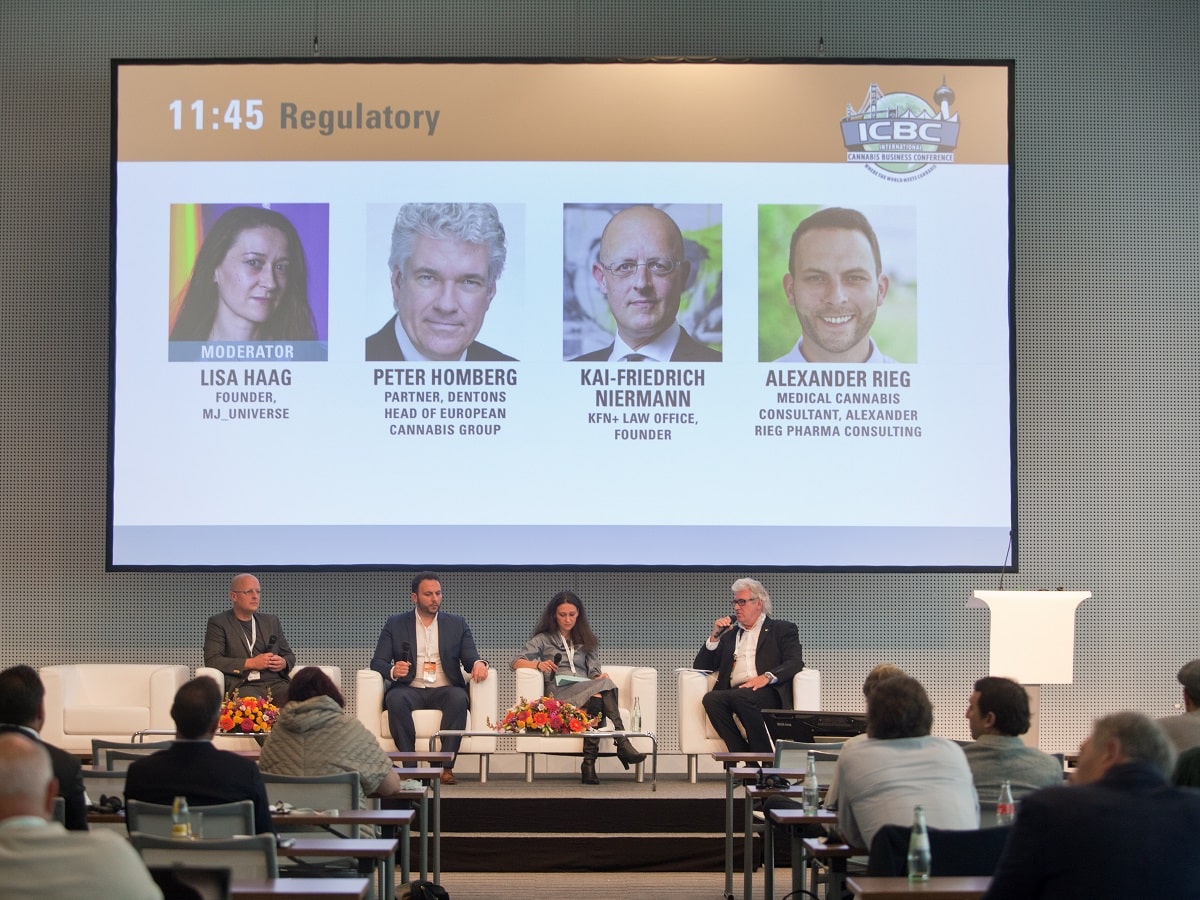
The recent International Cannabis Business Conference in Berlin, which included our Global Investment Forum, brought together entrepreneurs, investors, and policymakers from all over the planet. Below is a recap video of our 2021 conference in Berlin:

One of the many highlights from our conference in Berlin was a truly historic bipartisan political panel featuring current German lawmakers discussing cannabis policy The panel can be viewed below (the panel was held in the German language):

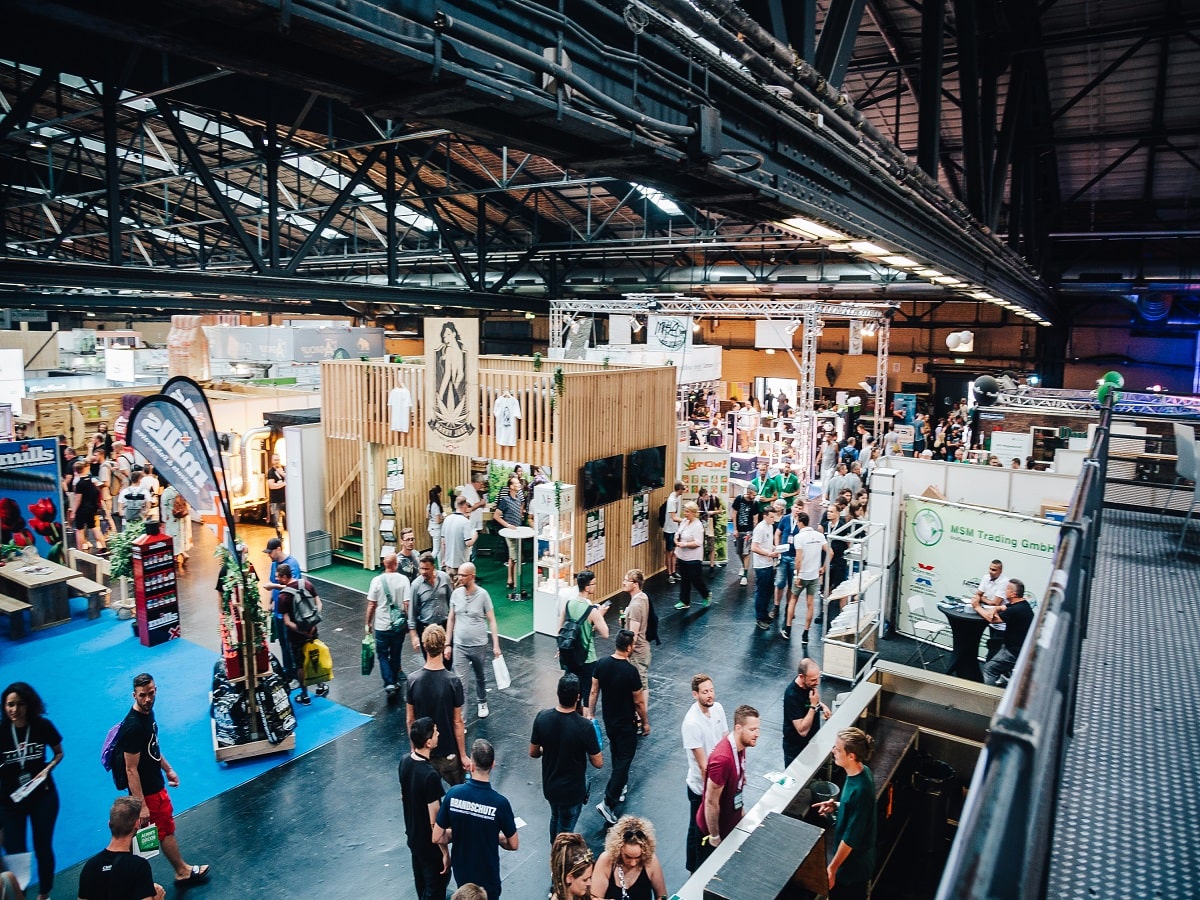
Another event that we are particularly excited about is the Mary Jane Berlin hemp fair coming up on October 22-24, 2021. Mary Jane Berlin is a C2C event and festival and includes an extensive cultural and entertainment program that is offered in conjunction with exhibitors, food stands, live concerts, and congresses on therapeutic properties.

Mary Jane Berlin Hemp Fair 2019

Below is a video recap of Mary Jane Berlin’s last event:

We are very excited about the strong bond that our two events have created and the strategic partnership that we have formed. Mary Jane Berlin is Europe’s fastest-growing C2C cannabis fair and pairs perfectly with our flagship B2B conference in Berlin to provide a comprehensive cannabis experience.

If you want to learn more about cannabis and network with like-minded cannabis enthusiasts, make sure to check out the upcoming Mary Jane Berlin hemp fair and festival. The event is expected to have over 35,000 cannabis-related products on display and it’s almost guaranteed that there will be something that very few cannabis enthusiasts have ever seen before. You can find out more about Mary Jane Berlin, including how to purchase tickets, at their website: https://maryjane-berlin.com/

In addition to the Mary Jane event, also make sure to mark July 19-20, 2022 on your calendars because the International Cannabis Business Conference will be coming back to Berlin and bringing with it our signature blend of industry, policy, and entertainment. Attend both the Mary Jane Berlin C2C fair and our B2B conference in Berlin to take your cannabis pursuits to the next level!

From Taboo To Typical: Global Cannabis Comes Of Age

by Shane MacGuill and Spiros Malandrakis

As global cannabis industry leaders gathered at the International Cannabis Business Conference in Berlin in late August our overarching reflection was of an industry that is – if not maturing – entering the end of its beginning as a legitimate mainstream commercial force. Ultimately, the nature and potency of that force will be determined as much by the industry’s collective ability to address consumer needs as by the intricacies of compliance and complexities of operations.

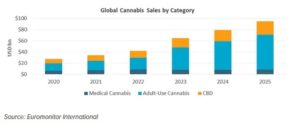
At a high level, there is no question that this is an industry on the rise, projected by Euromonitor to reach a global legal value of around USD100 billion across its adult-use, medical and CBD pillars within the next half-decade. US adult-use undoubtedly drives this growth albeit there is a haze of uncertainty there which is only partially lifting. However, regardless of the evolution of reform at a federal level, it is all but inevitable that in the near future tens of millions of more Americans will gain legal access to the full spectrum of modern cannabis products.

And globally, the steady rolling wave of liberalisation continues, propelled by the increased acceptance and tacit activism of the general public. In our recent cannabis survey, more than half of all respondents expressed support for the positive economic argument in favour of full cannabis legalisation, believing that commercialisation would be economically beneficial. Even more strikingly, two-thirds of the sample (consisting of a balance of all kinds of relationships with cannabis, and none) expect adult-use of cannabis to be legalised in their country within the next decade.

Global Cannabis Sales By Category

Expectation. Benefit. Belief. This is clearly no longer the language of taboo, of hope against the odds. However, for the industry to truly graduate into mainstream fmcg status it will need to be responsive to the drivers of its emerging consumer base.

It will need to be adventurous with the formats and brand purposes it is elevating to the market. And ensuring that cannabinoid products deliver on their intrinsic promise of offerings that are tailored to our individual goals and are improving our lives – sometimes in small, sometimes in large – ways on a daily basis.

The industry needs to embed sustainability and social justice at its core, and into its brand propositions. Not just because this is the right thing to do but because in doing so it will differentiate itself with a consumer population increasingly concerned with the wider impact of its consumption.

Its pricing strategies will also need to be refined: Unpretentious affordability and a competitive price point will be essential. On the other hand, bling retains a certain degree of penetration to this day but such historic approaches towards aspirational consumption are increasingly transitioning towards a focus on authenticity, craftmanship and artisanal credentials instead.

Nevertheless, it is not merely about the efficacy or competitive intoxicating attributes new formats will bring to the table. Creating new rituals or shedding fresh light on established ones will cement ever-elusive brand equity. While beverages and edibles have monopolised headlines under the Cannabis 2.0 umbrella of launches, the answer can sometimes be simpler. For example, dogwalkers are cannabis pre-rolls “inspired by the simple pleasure of leisurely strolls with one’s dog”.

Celebrity endorsements, tie-ins and collaborations have also been an instrumental part of key branding initiatives across fmcg industries. However celebrity sparkle is not a panacea – shared values, direct involvement and a long-term strategic symbiosis will separate sustainable business propositions from short-lived gimmicks

On the retailing front, utilitarian and stoner-chic stereotypes of the Dutch coffeeshop paradigm belong to the 1990s and do not reflect the evolution and outreach of the industry in 2021. As the industry matures, clear and differentiated propositions that aspire to facilitate retailing experiences focusing on specific demographics will be the winners over more “me too” Apple store copycats.

Beyond retailing, there can be no overstating the importance of on-trade venues and occasions in providing momentum to normalisation, establishing new consumption rituals and occasions and, ultimately, cementing the fledgling cannabis industry as a key competitor for the alcoholic drinks industry.

Tailoring brand propositions to attract specific focus demographics will be key. From identifying the cannacurious cohort to expand penetration and reach to focusing on seasoned consumers to allow for connoisseurship and premiumisation to add value, diligent segmentation will be another sign of the industry’s transition into mature fmcg territory. Euromonitor International’s surveys are also shedding light into key perceptions, concerns and patterns. For example, 79% of cannabis consumers in US legal states consider strength to be an important product attribute followed by price (70%) and strain (66%)- a fact that highlights the still simplistic and embryonic nature of buying behaviours, a situation that is in many ways akin to alcohol consumers choosing brands purely based on abv content . But on the CBD front education also remains essential with 43% of global respondents saying that they do not see a clear need to use CBD.

Beyond the haze of hype and dramatic share price fluctuations, the cannabis industry is shifting into the realms of fmcg through the adoption of innovative formats, design sophistication and evolving language and semiotics. As it sheds its mantle of illicit associations, branding through lifestyle cues and positioning, retailing strategy and demographic breakdowns will shape its future and its transition from novelty to an industry that has come of age.

For more insights see our cannabis research at: https://www.euromonitor.com/cannabis

In conjunction with this article, make sure to also check out this link to download the related presentation slides: https://bit.ly/2VRrvTu

This article first appeared on Euromonitor.com and is syndicated with special permission

What Role Will Cannabis Social Clubs Play In European Recreational Reform?

The continued popularity of this kind of gathering point has spread far from Spain and is now increasingly looked to as a model for recreational trials in places like Switzerland and South Africa

There is one thing that Spain, if not the early caregiving days in places like the US and Canada has given the cannabis reform discussion that is enduring as it is international. Namely the idea of a “social club” as a meeting point for cannabis consumers as well as a non-profit point of distribution.

Indeed, the Spanish concept, which has gathered in steam since the beginning of the last decade, has spread to places like South Africa where the concept is increasingly important for all the same reasons. 

Even more interestingly, as the battle for full and final recreational reform begins to be spoken of with a bit more seriousness in Europe, the Swiss have just announced that they intend to use this model too, starting next year.

Indeed, beyond the also enduring “coffee shop” pioneered by the Dutch, the social club construct may indeed be the turning point for real reform across at least Europe.

Here are a few reasons why:

  1. There is an established procedure for operations that has been set out by organizations like ENCOD.
  2. The infrastructure is easy to monitor if not monetize to at least self-sufficiency. Most of such clubs are indeed “non-profit” and serve both patients and recreational users alike with no differentiation. As frustrating as this might be for those with a pharma background, the reality is that at this juncture, there are just too many conditions that cannabis can treat which doctors are still leery of approving (everywhere). Further, the borderline recreational/medical discussion is almost always in the room. During the Pandemic, for example, even legal stores in places like Germany have noted a massive uptick in sales of just CBD (for anxiety if nothing else).
  3. The operating infrastructure is a good way to begin to bridge the gaps between highly regulated pharmacy and head or cannabis shop. Such clubs are usually non-profit, but also help create a seed to sale infrastructure that can be monitored, regulated, and even certified at standards that can reach a national level (see EU-BIO).

As the cannabis conversation rolls on in Europe, if not the rest of the world, expect to see such models tweaked, adapted, and integrated into local models, and far from just Spain.

Be sure to stay tuned to updates and news from the International Cannabis Business Conference.

Israel’s Public Companies: An Overlooked Opportunity?

This article is based on an interview conducted by Laura Herschlag, partner in Teqa Capital

The first commercial medical cannabis cultivator was established in Israel in 2005 as a nonprofit organization. By 2016, eight licensed cultivators had been established to provide products to several thousand patients. Five years later, over 50 producers, and counting, serve close to 100,000 licensed patients.

In addition to cultivation, Israel’s cannabis ecosystem includes companies developing phytocannabinoid drugs, processes for lab based cannabinoid production, breeding platforms, and many other innovations implementing technologies such as AI, robotics, and computerized vision. However, only a handful of these companies have become public and most did so through reverse mergers on the Tel Aviv Stock Exchange (TASE). Currently 11 pure cannabis play companies are traded on the TASE: Intercure, Together, Panaxia, Univo, Intelicanna, Pharmocann, Tikun Olam Cannbit, Seach Medical, Medivie, and Cannassure. Other public companies, such as Evogene, are involved in the cannabis space in addition to their key businesses.

Israeli companies are increasingly eyeing overseas markets. In February 2021, Kanabo became the first medical cannabis company to be listed on the London Stock Exchange. IM Cannabis is double listed on the CSE and on NASDAQ. Intercure listed on the TSX through a SPAC and is preparing to list on NASDAQ. How do Israeli companies compare with their overseas counterparts as an investment opportunity? Shiry Eden, CEO and Founder of cannabis strategy and analysis firm NISHOT, believes investors may be missing out on a good deal. According to Eden, Israel’s public companies are undervalued compared to their overseas counterparts.

A comparison of revenue multiples reveals that Israeli companies with similar revenues as non-Israeli companies have significantly lower revenue multiples. For instance, Seach’s 2020 revenue ($11.4) was similar to Curaleaf’s ($12M) but the company is traded at only one fifth Curaleaf’s market cap. Intercure, with a bit less than half the 2020 revenue of Cronos ($20), has a revenue multiple of 13.8 compared to Cronos’ revenue multiple of 58.5.

Eden points to this discrepancy as an indication of the potential opportunity. She asserts that the following market trends will drive growth of Israeli companies in the near future:

1. Increasing revenue and profitability: Aggregate revenues of Israeli public companies grew 125% in the past year, mostly due to a doubling of the number of medical cannabis patients. Israeli companies, in general, have a positive EBITDA and net profit.

2. Israel’s medical market is growing: Currently serving 100,000 patients the Israeli medical cannabis market is expected to be twice as large within the next year or two.

3. A recreational market is imminent: Three parties in the new Israeli government coalition have included some form of legalization for cannabis in their platforms. The previous government had already moved to de-schedule CBD and the incoming government is expected to continue the process. Israeli companies are gearing up for this change. For example, Canndoc has signed an agreement with Charlotte’s Web to supply CBD products to the Israeli market.

4. Easing of export regulations: Recent updates to cannabis export regulations will facilitate an export market which, until now, has been highly restricted.

5. Industry consolidation: As the industry matures, Israeli companies will become attractive M&A targets for overseas players.

6. The emerging psychedelics market: Israeli cannabis companies, like their overseas counterparts, have already begun exploring the nascent psychedelic medicinals market as a potential for expanding their revenue streams.

Eden attributes the dearth of foreign investment in Israel’s public cannabis companies to a lack of awareness. She points out the decades of accumulated experience in medical cannabis that provides a unique capability to address the needs of patients. Israeli cultivation is known for its consistency in providing active ingredients that are associated with specific indications, such as CBD for children with autism. She believes that as exposure to Israel’s cannabis companies and ecosystem increases, Israel’s public cannabis companies will attract a growing number of investors seeking unique opportunities.

About Shiry Eden, CEO & Founder, NISHOT

NISHOT is a strategy and analysis firm focused on the global cannabis industry, serving as an advisor to Sela Cannabis, an Israeli global oriented mutual fund. Eden has over 20 years’ experience as an economist and strategic advisor for medium to large scale corporations in Israel with expertise in the capital markets. Eden holds an MBA from Tel Aviv University and a BA in Economics and Communications Hebrew University.

About Teqa Capital

Teqa Capital is a Swiss-Israel boutique consultancy that brings Israeli innovation to Swiss investors and business people. More information on Teqa Capital can be found via their website: www.teqacapital.com