Fibromyalgia Patients Experience Symptom Improvements, Reduce Prescription Use Following THC Treatment

Fibromyalgia is a serious health condition creating problems across the globe. It’s a condition that affects people of all ages. It is estimated that as many as one out of every twenty people on the planet suffers from the condition to some degree.

According to Mayo Clinic, “Fibromyalgia is a disorder characterized by widespread musculoskeletal pain accompanied by fatigue, sleep, memory and mood issues.”

Unfortunately, there is currently no known cure for fibromyalgia, however, researchers in Germany have found evidence that THC can be an effective treatment for some patients, and for some, lower their reliance on prescription drugs. Below is more information about it via a news release from NORML:

Burghausen, Germany: Patients with fibromyalgia (FM) respond favorably to the administration of oral THC, according to observational data published in the German medical journal Schmerz.

German researchers assessed the efficacy of oral THC capsules (dronabinol) in 62 patients hospitalized with fibromyalgia.

Compared to untreated patients, those consuming oral THC suffered from fewer bouts of depression and experienced “significant improvements” in their quality of life. Patients taking THC were also far more likely than others to either reduce or discontinue their use of pain medications – a finding that is consistent with numerous other studies of patient populations.

Authors concluded: “The results of the present analysis indicate, similar to other studies, that THC could be a medicinal alternative to the substances previously recommended in various guidelines.”

Their conclusions are consistent with those of prior studies finding that FM patients who begin using cannabis products report greater quality of life and reduce their levels of opioid consumption.

Full text of the study, “Tetrahydrocannabinol in patients with fibromyalgia: A retrospective study of changes in pain, psychometric variables, and analgesic consumption during inpatient and interdisciplinary multimodal pain therapy,” appears in Schmerz. Additional information on cannabis and FM is available from NORML’s publicationClinical Applications for Cannabis and Cannabinoids.

International Cannabis Leaders Descend On Berlin

Global cannabis leaders are arriving in Berlin this week to attend the International Cannabis Business Conference. The events series’ flagship business-to-business (B2B) event is taking place on June 29th and 30th at the iconic Estrel Berlin Hotel.

In addition to the two-day B2B event, which is the largest of its type on the entire European continent, the International Cannabis Business Conference will also host a Global Investment Forum on June 27th at the Hotel Adlon Kempinski Berlin.

The International Cannabis Business Conference is the leading cannabis industry event series on the planet, with previous conferences occurring in several countries on multiple continents. The event series is owned and operated by cannabis advocates that believe in celebrating cannabis culture, in addition to providing world-class cannabis industry education and networking opportunities.

“We are extremely excited about this year’s conference in Berlin given how close Germany is to modernizing its cannabis policies. It is going to be extra special for our team to offer world-class cannabis industry and policy education, networking, and entertainment to attendees at such a historic time for Europe’s emerging cannabis industry,” says Alex Rogers, founder of the International Cannabis Business Conference.

It is becoming increasingly difficult to gain an edge on the competition in the emerging international cannabis industry, and it’s vital for people to get their idea, product, or service in front of the right people at the right time. With executives, entrepreneurs, investors, policymakers, and industry service providers converging from across the planet in Berlin this week, the B2B trade show event in Berlin is the perfect place for people to put their cannabis ideas on the global cannabis stage. Click here for a full list of B2B conference speakers.

Not all networking opportunities are created equal, and that is particularly true in the cannabis space. International Cannabis Business Conference events are attended by cannabis leaders from dozens of different countries, with the Berlin B2B event serving as the top international cannabis event of its type for 2023. Click here for the event’s full schedule and curriculum.

Cannabis industry opportunities that are popping up in Germany and on the European continent have tremendous profit potential, and the Global Investment Forum is the perfect place for entrepreneurs to try to secure capital to take their pursuits to the next level. It is also an unparalleled opportunity for investors to learn more about pre-vetted investment opportunities and for industry service providers to find reliable and high-end clients.

“We know how hard it is for quality investors to link up with vetted cannabis industry companies offering valuable investment opportunities,” Rogers stated. “That is why we are bringing the Global Investment Forum back to Berlin. It will be a prime networking opportunity for cannabis industry investors, entrepreneurs, and industry service providers alike.”

Sixty-one percent of polled Germans support the controlled sale of adult-use cannabis in licensed stores. It is estimated that legalizing cannabis sales for adult use in Germany would quickly create 27,000 new jobs. Additionally, Germany’s current legalization plan includes removing cannabis from the country’s narcotics law, which will have a significant impact on all sectors of the nation’s emerging cannabis industry.

Thousands of cannabis leaders from dozens of countries will be represented at the International Cannabis Business Conference in Berlin and that includes representatives from every sector of the industry as well as leading international cannabis policymakers and industry service providers. Attend the International Cannabis Business Conference in Berlin to take your industry pursuits to the next level.

A limited number of tickets are currently available. Secure your tickets now before the events sell out!

Cannabis Safe And Effective In Treating Generalized Anxiety Disorder According To UK Study

Generalized anxiety disorder involves a patient persistently worrying or having anxiety about one or more areas of life, with the worrying or anxiety being out of proportion to the source or event. Generalized anxiety can occur at any age.

Symptoms of generalized anxiety disorder can include, but are not limited to panic attacks, constant worry, restlessness, and trouble with concentration. Various treatments exist to treat generalized anxiety disorder, with the most common ones being pharmaceutical antidepressants and mood regulators.

A growing number of patients are turning to the cannabis plant for relief, and according to a recent study in the United Kingdom, cannabis products are safe and effective at treating generalized anxiety disorder. Below is more information about it via a news release from NORML:

London, United Kingdom: Patients with generalized anxiety disorder (GAD) exhibit sustained improvements in their symptoms following the use of cannabis products, according to data published in the journal Psychopharmacology.

British investigators assessed the safety and efficacy of plant-derived cannabis products (either oils, flower, or a combination of both) in over 300 patients enrolled in the UK Medical Cannabis Registry. All of the participants possessed a doctor’s authorization to access cannabis products. (Since 2018, specialists have been permitted to prescribe cannabis-based medicinal products to patients unresponsive to conventional medications.) Authors assessed the efficacy of cannabis at one, three, and six months.

Researchers reported improvements in patients’ anxiety, sleep quality, and overall quality of life at each time point assessed.

“Prescription of CBMPs [cannabis-based medicinal products] in those with GAD is associated with clinically significant improvements in anxiety with an acceptable safety profile in a real-world setting,” they concluded.

The findings are consistent with those of other studies documenting both short-term and sustained reductions in anxiety following patients’ use of either cannabis or CBD products.

Prior studies assessing the use of cannabis products in patients enrolled in the UK registry have similarly reported them to be effective and well-tolerated among those suffering from chronic painpost-traumatic stressdepressionmigraineinflammatory bowel disease, and other afflictions.

Full text of the study, “Clinical outcome data of anxiety patients treated with cannabis-based medicinal products in the United Kingdom: A cohort study from the UK Medical Cannabis Registry,” appears in Psychopharmacology.

Hemp Should Be Used More As A Building Material

The hemp plant is one of the most versatile plants on earth. For many years it was used to make textiles, however, in recent years growing demand for a particular cannabinoid from the hemp plant has shifted how a lot of people in society view hemp, and that, in turn, has shifted the focus of entrepreneurs and investors in regards to the hemp sector.

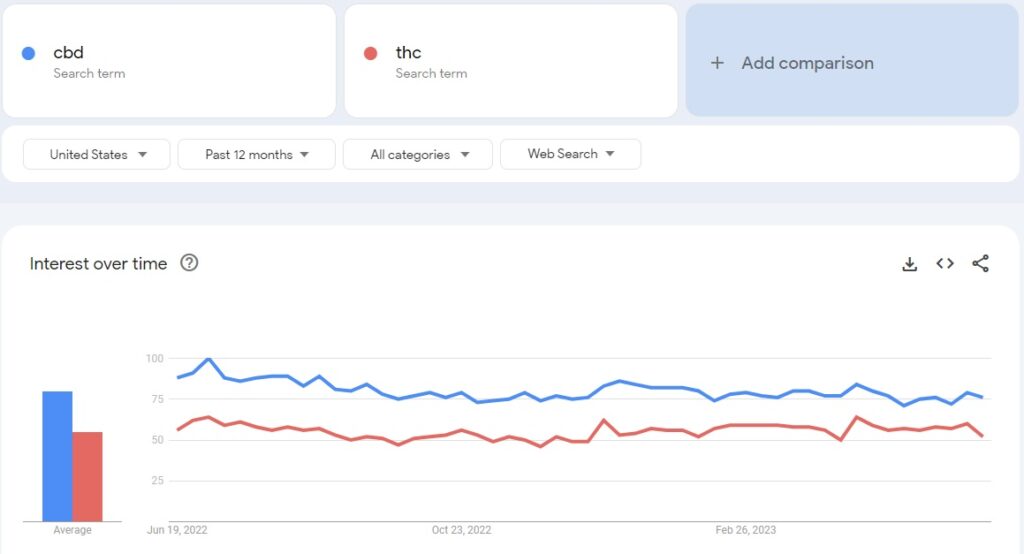
Cannabidiol (CBD), which the hemp plant is very rich in, has increased in popularity to such an extent in recent years that it is now searched for online more often than its cannabinoid counterpart tetrahydrocannabinol (THC) according to Google Trends. Below is a graph demonstrating that fact among search trends in the United States:

united states CBD online searches


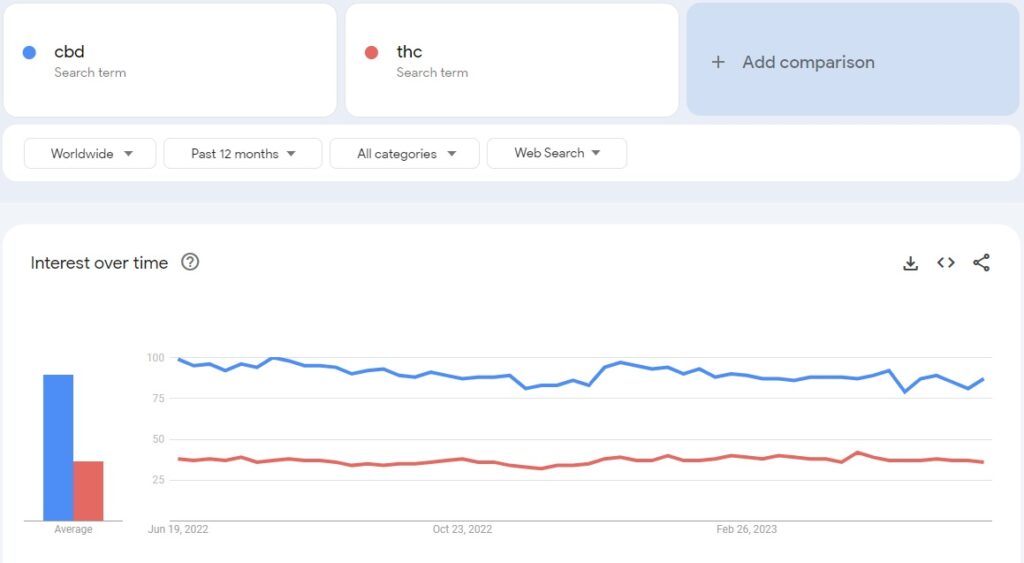
The gap between searches for CBD and searches for THC is even greater at the global level according to Google Trends, per the graph below:

Worldwide CBD online searches

Often seemingly lost in the global CBD conversation is that one of the best things that hemp can be used for involves using it as a building material. The material is called ‘hempcrete,’ and it’s a bio-composite made of the inner woody core of the hemp plant mixed with a lime-based binder.

The inner woody core or ‘shiv’ is high in silica content and that allows it to naturally bind really well with lime. It is a property that is seemingly unique to hemp among all of the known natural fibers.

Hempcrete is primarily used as an insulating material, weighs about a seventh or an eighth of the weight of concrete, floats in water when fully cured, and is nearly fire-proof (at least compared to other popular building materials). A recent article by BBC provided a great example of hempcrete in use in the UK, and had the following to say about the material in general:

According to the European Commission, one hectare (2.5 acres) of hemp sequesters between nine and 15 tonnes of CO2, and only takes five months to grow – meaning it is better than typical commercial forestry at sequestering carbon. What’s more, hemp production is reported to help regenerate soil and remove heavy metals from the ground.

But a whole host of challenges must be overcome before hemp can make its mark on the construction industry. These include changes to government regulation, technical certification, and the funding and infrastructure needed to scale up hemp’s industrial production, streamline supply chains, and make it more affordable to use.

Due to the limitations mentioned by BBC in its article, and the popularity of CBD, hempcrete has never been fully embraced by society. However, that is likely to change in the coming years as researchers work to find out the best ways to extract CBD from hemp plants while simultaneously using other parts of the plant to make hempcrete and other building materials.

Opponents of hempcrete will try as hard as they can to focus on the fact that it is not used as a structural element and try to make it sound as if the potential of hemp as a building is limited, when in fact there’s likely so much more to learn about hemp’s potential as a building material.

As laws continue to be reformed, and innovators look to the hemp plant at an increasing rate as a source for sustainable building solutions, it’s nearly guaranteed that discoveries and breakthroughs are on the horizon, and if so, it will benefit society in numerous ways.

CBD Is Associated With Symptomatic Improvements In Dementia Patients

Cannabis tinctures, particularly ones containing CBD, are growing in popularity around the globe within the medical cannabis community for a multitude of reasons. For many years, cannabis flower was the most prominent form of medical cannabis, however, more and more patients are increasingly going the concentrated product route, including incorporating tinctures into their wellness strategies.

Tinctures are preferred by many cannabis patients because they do not typically contain many ingredients, and it is a smokeless form of cannabis consumption. For some patients, inhaled forms of medical cannabis are not an option.

The rise in the use of cannabis tinctures is paralleled by new questions regarding whether cannabis tinctures containing CBD are effective for patients suffering from dementia, both in the short and long term.

A team of researchers in Greece recently examined the use of CBD tinctures among dementia patients, and the results of the study were insightful. Below is more information about it via a news release from NORML:

Macedonia, Greece: The administration of a CBD tincture is associated with symptomatic improvements in patients with dementia, according to data published in the journal Clinical Gerontologist.

Investigators assessed the safety and efficacy of a three percent CBD tincture in a cohort of 20 dementia patients with severe behavioral and psychological symptoms. Ten of the patients received CBD treatment for six months, while the other ten received traditional therapies.

They reported: “The follow-up assessment … showed significant improvement of BPSD [behavioral and psychological symptoms of dementia] in all our patients who received CBD, and no or limited improvement in the second group, regardless of the underlying neuropathology of dementia.”

Researchers concluded: “We suggest that CBD may be a more effective and safe choice for managing BPSD than the typical intervention. … Healthcare professionals should consider incorporating [it] into their practices to reduce BPSD in PwD [people with dementia]. … Future large randomized clinical trials are needed to re-assure these findings.”

The findings are consistent with those of several prior studies concluding that the administration of CBD-dominant cannabis plant extracts reduces agitation and provides other behavioral improvements in dementia patients.

Full text of the study, “The effect of cannabidiol 3% on neuropsychiatric symptoms in dementia – Six-month follow up,” appears in Clinical Gerontologist.

The Global Rise Of Medical Cannabis

The legal medical cannabis industry is a global powerhouse now, however, that was obviously not always the case. International economists estimate that the legal medical cannabis market topped $31.8 billion USD in 2022 and that by 2030 the market size could more than double.

Yet, the emerging legal medical cannabis industry comes from fairly humble beginnings going back to the mid-1990s in California. A coalition of dedicated activists succeeded in getting the first medical cannabis legalization measure passed in California in 1996 and that victory set off a chain reaction that is still sweeping the globe today.

As medical cannabis reform has spread across the planet over the better part of the last three decades, the industry itself has evolved considerably during the same time period. The young legal industry in California in the mid-1990s doesn’t resemble the medical cannabis industry in existence today, including within California’s own borders.

The modern medical cannabis industry is far more sophisticated now compared to decades past, and rules and regulations are far more complex. With the rise of legal medical cannabis imports and exports, the complexities will likely only increase going forward.

Furthermore, adult-use reform is on the move, particularly in Europe where Germany is on the cusp of passing a national adult-use legalization measure. The modernization of adult-use cannabis policies will no doubt have an impact on medical cannabis policies in the regions where adult-use reform occurs.

All of that can make it hard to get a grasp on trends and opportunities, and it’s even harder when the industry and policy landscape shifts, which seems to be a frequent thing these days. Fortunately, there’s an opportunity to learn directly from leading international cannabis experts at the upcoming International Cannabis Business Conference in Berlin on June 29th-30th.

One of the panels for the conference, which is the largest and longest-running event of its type in Europe, is dedicated to discussing the rise of the global medical cannabis industry, and what impact legalization in Germany will have on the sector.

Georgia Glick, Head of Partnerships for Hanway Associates, will serve as the moderator of ‘The Global Rise of Medical Cannabis’ panel in Berlin. Joining Georgia Glick will be Lily Temperton, Head of Analysis for Hanway Associates, Lisa Haag, Founder of MJ_Universe, Alex Revich, Equity Partner at Hybrid Pharm and Cannabis Education & Medical Partnerships at Loosh Brands, Fleta Solomon, CEO of Little Green Pharma, and Dr. Malgorzata Meunier, CSO of Hapa Pharm.

Germany has emerged as a key player in the global medical cannabis market, with a robust regulatory framework and a growing number of patients accessing cannabis for therapeutic use. Although, Germany is not alone in its pursuit of medical cannabis.

Around the world, countries are exploring the potential of cannabis to treat a range of conditions, from chronic pain to epilepsy to cancer. In this panel, experts from Germany and beyond will take a closer look at the role of Germany in the international medical cannabis industry and explore emerging markets and pilot programs around the planet.

The panel will also discuss the critical importance of education for healthcare professionals, patients, and policymakers to ensure the safe and effective use of medical cannabis. You can view the full schedule for the upcoming International Cannabis Business Conference in Berlin at this link here.

Over 5,000 cannabis leaders from over 80 countries will be represented at the International Cannabis Business Conference in Berlin and that includes representatives from every sector of the industry as well as leading international cannabis policymakers and industry service providers.

Attend the International Cannabis Business Conference in Berlin to network with investors, entrepreneurs, industry regulators, and international policymakers and take your industry pursuits to the next level. Secure tickets now before the event is sold out!

Cannabis Associated With Lower Risk Of Fatty Liver Disease Per China Analysis

The dangers of fatty liver disease may not be well known around the globe, however, it’s a serious health condition. International researchers estimate that nonalcoholic fatty liver disease (NAFLD) is the most common liver disease, with a worldwide prevalence of 25%.

Fatty liver disease involves an increased build-up of fat in the liver, and in extreme cases, it can result in liver failure. Symptoms of fatty liver disease include fatigue, weight loss, and abdominal pain.

Researchers in China recently explored the relationship between cannabis use and fatty liver disease, and the results of the analysis are significant. Below is more information about it via a news release from NORML:

Hubei, China: Adults with a history of cannabis use are less likely than non-users to be diagnosed with liver steatosis (abnormal fat retention a/k/a fatty liver disease), according to data published in the journal PLOS One.

A group of Chinese investigators assessed the relationship between marijuana use and the prevalence of fatty liver disease in a cohort of 2,622 US adults. Study participants consisted of current cannabis consumers, former consumers, and lifetime non-users.

Researchers determined that both current and former users possessed lower rates of liver steatosis than did those with no history of marijuana use – a finding that is consistent with numerous other studies.

Authors of the study concluded: “In this nationally representative sample, current marijuana use is inversely associated with steatosis. … Further studies are required to confirm these results longitudinally, and investigations into marijuana compounds and their biological effects are promising for treating and preventing fatty liver disease.”

The results of a 2018 meta-analysis, which reviewed nine studies involving nearly six million subjects, similarly acknowledged “a reduction in the prevalence of NAFLD (non-alcoholic fatty liver disease) in marijuana users.”

Full text of the study, “Marijuana use is inversely associated with liver steatosis detected by transient elastography in the general United States population in the NHANES 2017-2018: A cross-sectional study,” appears in PLOS One.

Cannabis Associated With Sustained Benefits In Tourette Syndrome Patients

International health experts estimate that roughly 0.5-1% of the world’s population is diagnosed with some level of Tourette Syndrome, although the true diagnosis rate of people suffering from the condition could be larger due to gaps in identification and treatment in some parts of the globe.

According to the National Institute of Neurological Disorders and Stroke, “Tourette Syndrome (TS) is a neurological disorder characterized by sudden, repetitive, rapid, and unwanted movements or vocal sounds called tics.” Currently, there is no cure for the condition.

Various treatments for Tourette Syndrome exist, with common ones being dopamine blockers, Botox injections, ADHD medications, anti-depressants, and anti-seizure medications. All of those treatments can yield possible undesirable side effects. Fortunately, a recent study in Israel found that cannabis may help. Below is more information about it via a news release from NORML:

Tel Aviv, Israel: Patients with Tourette syndrome (TS) report that cannabis inhalation is associated with sustained improvements in their symptoms, according to data published in the journal Cannabis and Cannabinoid Research.

Israeli researchers assessed the long-term use of cannabis in 25 patients suffering from Gilles de la Tourette Syndrome. On average, patients in the study consumed cannabis for a period of four years, with some participants having used cannabis for up to nine years.

Patients reported sustained benefits in the management of TS and other comorbidities. Most subjects gradually increased their daily THC intake over time.

“Patients using MC [medical cannabis] reported an average 75 percent tic reduction compared with baseline,” authors determined. “A significant effect on comorbid conditions was [also] noted,” with 92 percent of subjects reporting reduced restlessness, 88 percent reporting improved mood, 84 percent reporting better sleep, and 75 percent reporting reduced anxiety.”

Authors concluded: “A subset of people with GTS report long-term significant benefit from continuous MC use with no disturbing side effects; however, they required escalating doses of THC over the years. Additional studies are required to test for objective improvement and for biological reasons that may explain dose escalation.”

Separate data published earlier this year reported that TS patients exhibit short-term improvements in their health-related quality of life as well as reductions in their use of prescription medications following cannabis treatment

Full text of the study, “Licensed medical cannabis use in Gilles de la Tourette syndrome: A retrospective long-term follow-up,” appears in Cannabis and Cannabinoid ResearchAdditional information on cannabinoids and TS is available from NORML’s publicationClinical Applications for Cannabis and Cannabinoids.

CBD Lowers Blood Pressure In Croatian Patients With Hypertension

Hypertension occurs when someone’s blood pressure is too elevated, typically above 140/90. The condition is considered severe if the pressure is above 180/120.  If left untreated, hypertension can cause serious health conditions, including heart disease and stroke.

International health experts estimate that roughly 30% of the planet’s adult human population suffers from hypertension to some degree, which works out to over one billion people globally.

Fortunately, the cannabis plant may be able to help, as evidenced by the results of a new study out of Croatia which examined the use of oral CBD and how it affects hypertension patients. Below is more information about the new study via a news release from NORML:

Split, Croatia: The oral administration of a proprietary encapsulated dose of CBD reduces ambulatory blood pressure in subjects suffering from either mild or moderate hypertension, according to placebo-controlled clinical trial data published in the journal Cannabis and Cannabinoid Research.

Researchers assessed the efficacy of CBD versus placebo in a cohort of 70 patients. Subjects received daily doses of either CBD or a placebo for five weeks. Patients consumed between 225 mgs and 450 mgs of CBD per day.

“The administration of CBD reduced average 24-hour mean, systolic, and diastolic BP [blood pressure] after 2.5 weeks,” investigators concluded. “There were no changes in liver enzymes of serious adverse events.”

Authors concluded: “The results of the present randomized, triple-blind, crossover study indicate that chronic administration of CBD [capsules] reduces ambulatory BP. … These findings should be confirmed in larger prospective cohorts to apply them into clinical practice.”

The trial’s findings are consistent with those of a 2017 British study finding that the administration of a single oral dose of 600 mgs of CBD reduced blood pressure in healthy volunteers. Another study reported that CBD dosing was associated with sustained lower levels of stress-induced high blood pressure

Israeli data has shown that the use of whole-plant cannabis also modulates blood pressure control. Authors of a 2021 study of elderly hypertension subjects determined, “Cannabis treatment for three months was associated with a reduction in systolic and diastolic blood pressure, as well as heart rate.” More recently, an analysis in the journal Nature: Scientific Reports concluded that current and lifetime cannabis use is associated with lower blood pressure levels in men and women.

Full text of the study, “Chronic effects of oral cannabidiol delivery on 24-h ambulatory blood pressure in patients with hypertension: A randomized, placebo-controlled, and cross-over study,” appears in Cannabis and Cannabinoid Research. Additional information on cannabinoids and blood pressure regulation is available from NORML’s publicationClinical Applications for Cannabis and Cannabinoids.